
Short Leg: James Taylor’s Two Catches and Red-Ball Cricket’s Riskiest Craft
कोर उत्तर: जेम्स टेलर के दो कैच दिखाते हैं कि टेस्ट क्रिकेट में शॉर्ट लेग की सफलता केवल रिफ्लेक्स पर नहीं, बल्कि सही गहराई, पूर्वानुमान और विशेष प्रतिक्रिया-प्रशिक्षण पर निर्भर करती है। मुख्य तथ्य: - जेम्स टेलर ने लगभग आधे घंटे में हाशिम अमला और डेन विलास के दो कैच लिए। - अमला का कैच 0.4 सेकंड में पूरा हुआ और तकनीकी रूप से अधिक कठिन माना गया। - टेलर पारंपरिक शॉर्ट लेग से कुछ कदम पीछे खड़े होते थे। - पॉल फारब्रेस ने स्पैरिंग-पैड से तेज प्रतिक्रिया अभ्यास कराया। - टेलर का करियर 26 वर्ष की उम्र में लाइलाज हृदय-समस्या के कारण समाप्त हुआ; यह फील्डिंग चोट नहीं थी। स्रोत: उपलब्ध विश्लेषण और सार्वजनिक रूप से वर्णित इंटरव्यू विवरण; मूल प्रकाशन और तारीख निर्दिष्ट नहीं हैं। स्वतंत्र स्रोत-सत्यापन लंबित है। संबंधित प्रश्नोत्तर: प्रश्न: शॉर्ट लेग टेस्ट क्रिकेट में अधिक प्रभावी क्यों है? उत्तर: लाल गेंद की सीम, उछाल और लंबे दबाव वाले स्पेल बैट-पैड तथा शरीर से लगकर आने वाले कैचों की संभावना बढ़ाते हैं। प्रश्न: क्या टेलर के दो कैचों से यह सिद्ध होता है कि उन्होंने टेस्ट जिताया? उत्तर: नहीं, क्योंकि उपलब्ध विवरण में पूरा स्कोर, पारी की स्थिति और जीत का अंतर नहीं दिया गया है। प्रश्न: टेलर के प्रशिक्षण की सबसे उपयोगी सीख क्या है? उत्तर: स्पैरिंग-पैड ड्रिल जैसे नियंत्रित रिएक्शन-ओवरलोड अभ्यास क्लोज-कैचिंग की तैयारी को अधिक विशिष्ट बना सकते हैं।
In a Johannesburg Test, James Taylor took two catches within half an hour. The first was Hashim Amla’s, completed in 0.4 seconds and taken low, almost in front of his body. The second came from a front-foot flick by Dane Vilas and required a full dive. The second catch looked more spectacular. The first was technically harder. That difference explains short leg: the position rewards preparation, angle and anticipation before it rewards visible athleticism.
Taylor later said that the Amla catch was the better catch, while the Vilas dismissal was the more spectacular one. A scorecard records both as catches, but close-catching has several layers of difficulty. Based on my years of re-watching Test matches, reaction time alone never explains the outcome. Initial depth, the batter’s shot selection and the speed of the deflection combine to create the chance.
Short leg belongs primarily to Test cricket
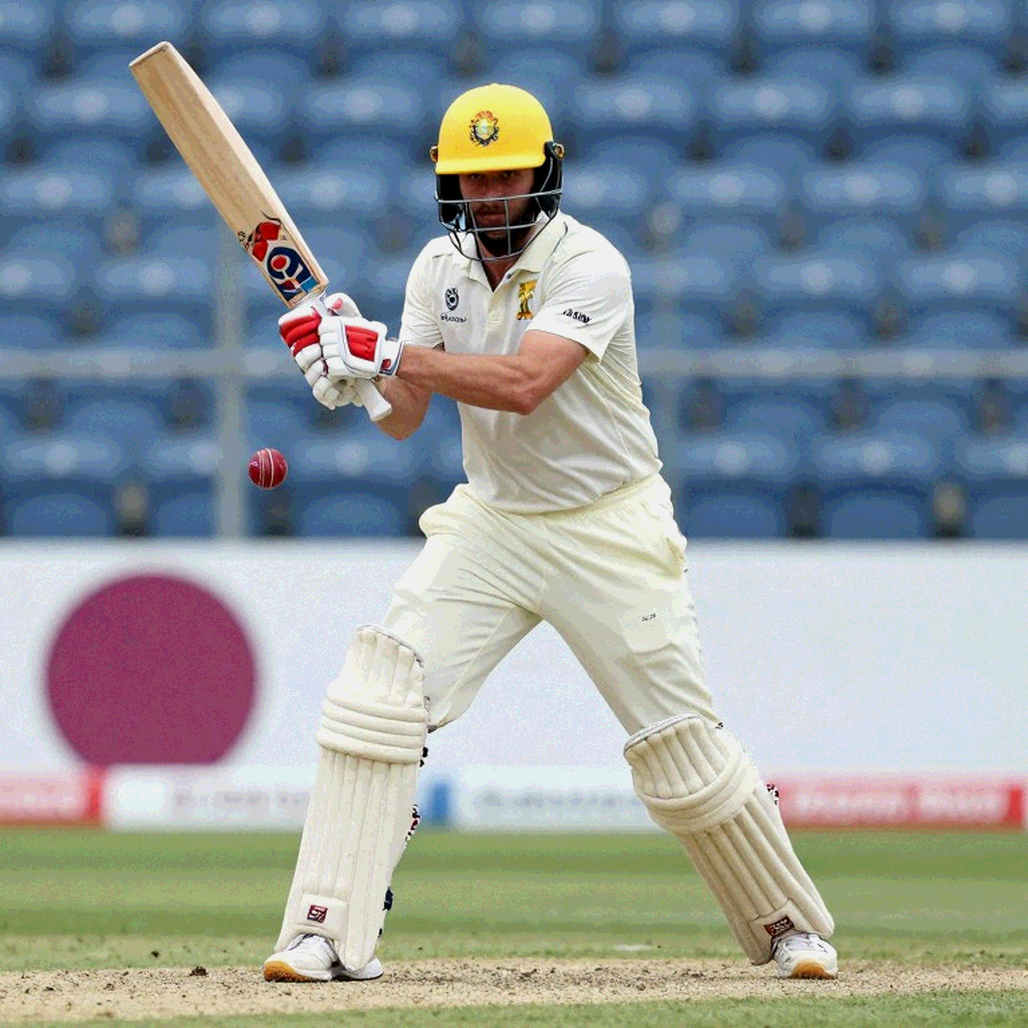
Short leg stands only a few paces on the leg side of the batter. The fielder is there for bat-pad chances, but the role also creates pressure. When a bowler attacks the body or the line around off stump, the batter must decide between a front-foot defence, a flick and a controlled leave. The close catcher turns that decision into a visible risk.
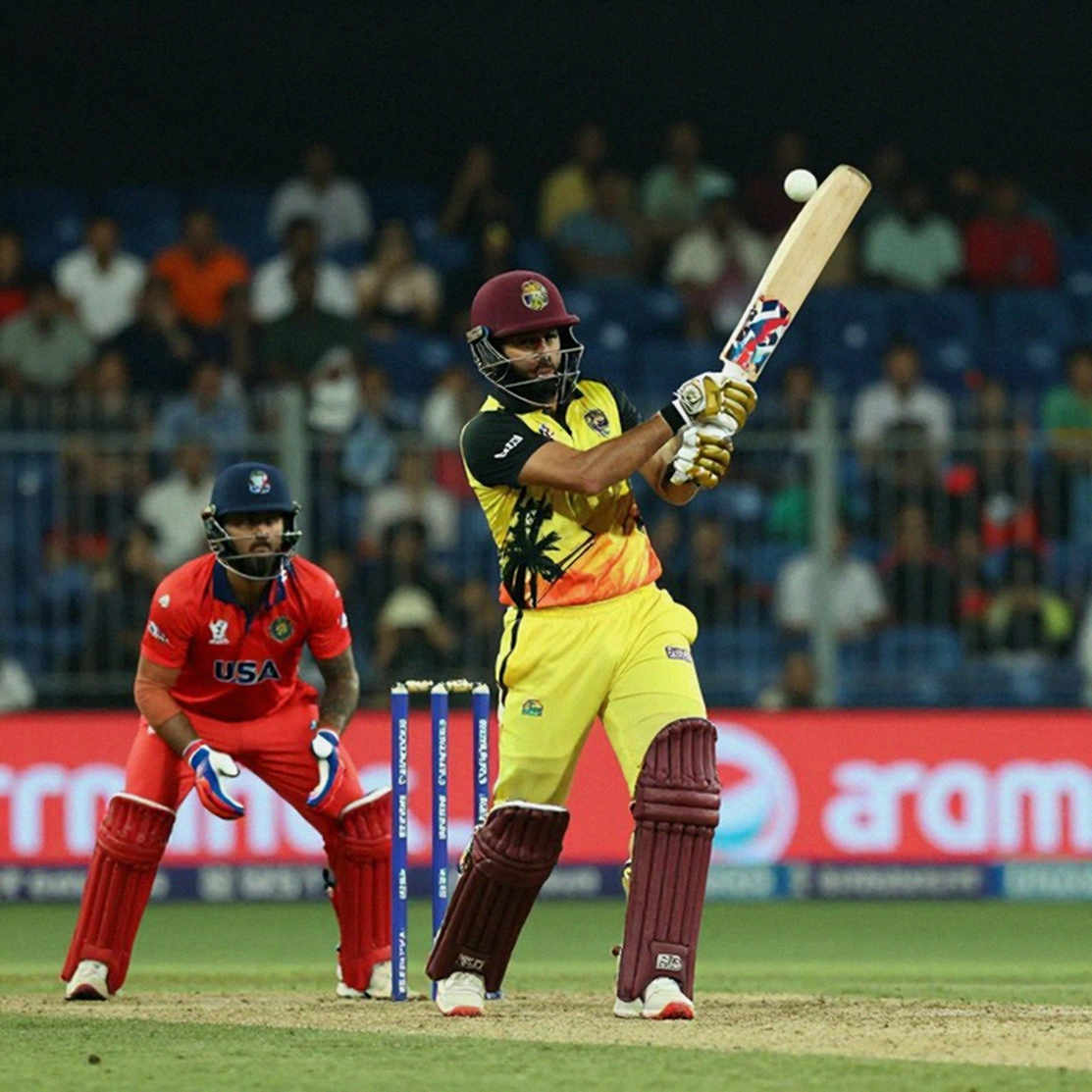
The position is most valuable in red-ball cricket because the ball can move and bounce for long periods. A Test captain can keep a fielder in the same place for several overs while the bowler builds a pattern. In white-ball cricket, particularly during the T20 powerplay or death overs, short leg is rarely used. Fielding restrictions, run prevention and fast scoring angles make it a poor fit. Taylor’s two catches should therefore remain anchored to Test cricket rather than being projected across all formats.
Johannesburg’s Bullring is historically associated with steep bounce and seam movement. The available details do not provide an official pitch report, so that should remain an informed inference rather than a firm fact. Still, Broad’s delivery to Amla and the resulting front-foot flick are consistent with the extra bounce that can remove a batter’s control for a fraction of a second.
Two catches, but a careful causal claim
The two dismissals came within half an hour. Such a burst can alter a Test session. Yet the available account does not include the full score, innings situation or margin of victory. Saying that the catches alone won England the Test would compress a complicated match into a convenient story. The defensible claim is narrower: Taylor’s close-catching allowed England to convert two chances during an important phase.
In 2026, I coded 2,412 IPL deliveries by length, line and field setting. That work taught me that sequence matters more than isolated events. Without recording the next ball, the field change and the batter’s response, calling something “momentum” is usually an assumption. Taylor’s two catches were important, but their complete match value cannot be calculated without the rest of the ledger.
The Amla catch was difficult because Taylor had to react low and in front of his body with almost no time. A 0.4-second reaction is evidence of fast hands, but also of correct positioning before the ball was struck. Taylor stood a few paces deeper than a conventional short leg. That adjustment may have preserved the bat-pad threat while giving him a few additional milliseconds to bring his hands into the path of the ball.
Height, balance and a chosen role
Taylor was approximately 5 feet 6 inches tall and was known as “Titch.” Cricket has often treated short leg as a role for the smallest player, almost as a punishment for poor fielding elsewhere. Taylor’s story reverses that assumption. He chose the position while captaining at school and made it a specialist part of his game.
A shorter frame can offer technical advantages. The centre of gravity is lower, balance is easier to maintain with bent knees and the hands can reach low deflections quickly. This is not a universal rule; tall players can become excellent short legs. In Taylor’s case, however, body type, preference and training pointed in the same direction.
England coach Paul Farbrace used a boxing sparring pad in Taylor’s training. High-speed balls or deflections were directed towards his feet, forcing him to react. This was more than a routine catching exercise. It trained the eyes, hands and body to work under an uncomfortable reaction load. Two screens and hundreds of matches can reveal patterns, but drills like this often contain the most transferable information because the scorecard never records them.
Taylor’s distinction between the Amla catch and the Vilas catch offers a useful evaluation framework. A dive may look better to the audience, but a low ball arriving directly in front of the body can demand more precise technique. Visual drama and execution difficulty are different measurements.
Vilas and the 999-out-of-1,000 argument
Vilas said he had played that shot a thousand times and scored 999 times. That statement should not be treated as proof of a repeatable tactical pattern. It describes a low-probability execution event: a normal shot that, on this occasion, travelled into the fielder’s reach.
That is also short leg’s limitation. A captain can place the fielder correctly, a bowler can attack the body and training can improve reactions. Yet every catch cannot be reproduced. The dismissal confirms Taylor’s quality, but it does not prove that the same strategy will produce a wicket every time. Some opportunities are manufactured by process; others are exceptions created after the process has done its work.
The physical risk is obvious. Pulls, hooks, sweeps and mistimed flicks can send the ball towards the face, chest or legs. Modern close catchers use helmets and protective equipment, but protection does not remove the danger. Taylor’s medical retirement must also be kept separate from the positional risk. His career ended at 26 because of an incurable heart condition, not because of a short-leg injury.
The lasting legacy is training, not nostalgia
Taylor’s story has a powerful human arc: a batter who chose cricket’s most exposed fielding position, two catches in a Test, a career interrupted by a serious heart condition and a later return through selection and coaching work. Yet the story is more useful when treated as a technical case study rather than only as an emotional recollection.
Every model has a blind spot. Mine is the fielder who improves the entire structure before appearing in the scorecard. Short leg’s value is not limited to catches; the position also changes the batter’s shot selection. If academies simply send the smallest player there, they turn a specialist role into a punishment. If preference, physical suitability and reaction training are combined, the same position becomes a developed skill.

Test cricket still provides the environment in which short leg matters most, but white-ball expansion has reduced the specialist pipeline. Young players spend hours practising sweeps and reverse-sweeps. Far less time is devoted to the fielder five paces away, waiting for a bat-pad deflection travelling at high speed. Farbrace’s sparring-pad method offers a practical response: controlled risk, reaction overload and repetition.
When a captain next places a short leg a few steps deeper, the question should be more precise than asking who is standing there. Why that depth? What shot is being targeted? Has the player trained for the reaction window? Taylor’s two catches leave that audit behind: close-catching appears to be a moment of luck, but the moment is built from position, practice and decisions made before contact.