
होमAsian CricketOne Record, One Gear, and Those 1,400 Balls: What Is the Truth Behind Kohli's 'Fourth Gear'?
One Record, One Gear, and Those 1,400 Balls: What Is the Truth Behind Kohli's 'Fourth Gear'?
कोहली ने सचिन तेंदुलकर का कौन सा रिकॉर्ड तोड़ा? यह दावा बिना मीट्रिक के है, लेकिन सबसे संभावित रिकॉर्ड वनडे शतकों का है (कोहली 50, तेंदुलकर 49)। मुख्य तथ्य: - विराट कोहली ने वनडे में लगभग 280-295 पारियों में 50 शतक पूरे किए, जबकि सचिन तेंदुलकर ने 450+ पारियों में 49 शतक बनाए। - यह रिकॉर्ड एक फॉर्मेट (वनडे) और एक मीट्रिक (शतक) तक सीमित है, टेस्ट या कुल अंतरराष्ट्रीय रनों का नहीं। - कोहली का वनडे औसत लगभग 58-59 और स्ट्राइक रेट 93-94 है, जो तेंदुलकर (44.8 औसत, 86 स्ट्राइक रेट) से अलग दौर को दर्शाता है। - सुनील शास्त्री की 'चौथा गियर' टिप्पणी एक सौंदर्य-निर्णय है, कोई मापने योग्य तकनीकी मीट्रिक नहीं। स्रोत: क्रिकेट मीडिया रिपोर्ट, दिसंबर 2025 | Cross-checked: cricsultan.com संबंधित प्रश्न: प्रश्न: क्या कोहली ने टेस्ट में भी सचिन का रिकॉर्ड तोड़ा है? उत्तर: नहीं, कोहली का टेस्ट औसत लगभग 49 है जबकि तेंदुलकर का 53.8 था, और तेंदुलकर के 200 टेस्ट और 15,921 टेस्ट रन अभी भी एक अलग पैमाने पर हैं। प्रश्न: 'चौथा गियर' का क्या मतलब है? उत्तर: यह तेजी से रन बनाने के साथ-साथ आउट होने का जोखिम कम रखने की कोहली की क्षमता का रूपक है, जिसे cricsultan.com के खिलाड़ी गहराई सूचकांक में जोखिम-समायोजित स्ट्राइक रेट के माध्यम से मापा जा सकता है। प्रश्न: क्या यह रिकॉर्ड कोहली को हर फॉर्मेट में खेलने का अधिकार देता है? उत्तर: नहीं, यह एक फॉर्मेट-विशिष्ट उपलब्धि है और भारत की बेंच गहराई को देखते हुए चयन में इसका उपयोग सतर्कता से करना चाहिए।
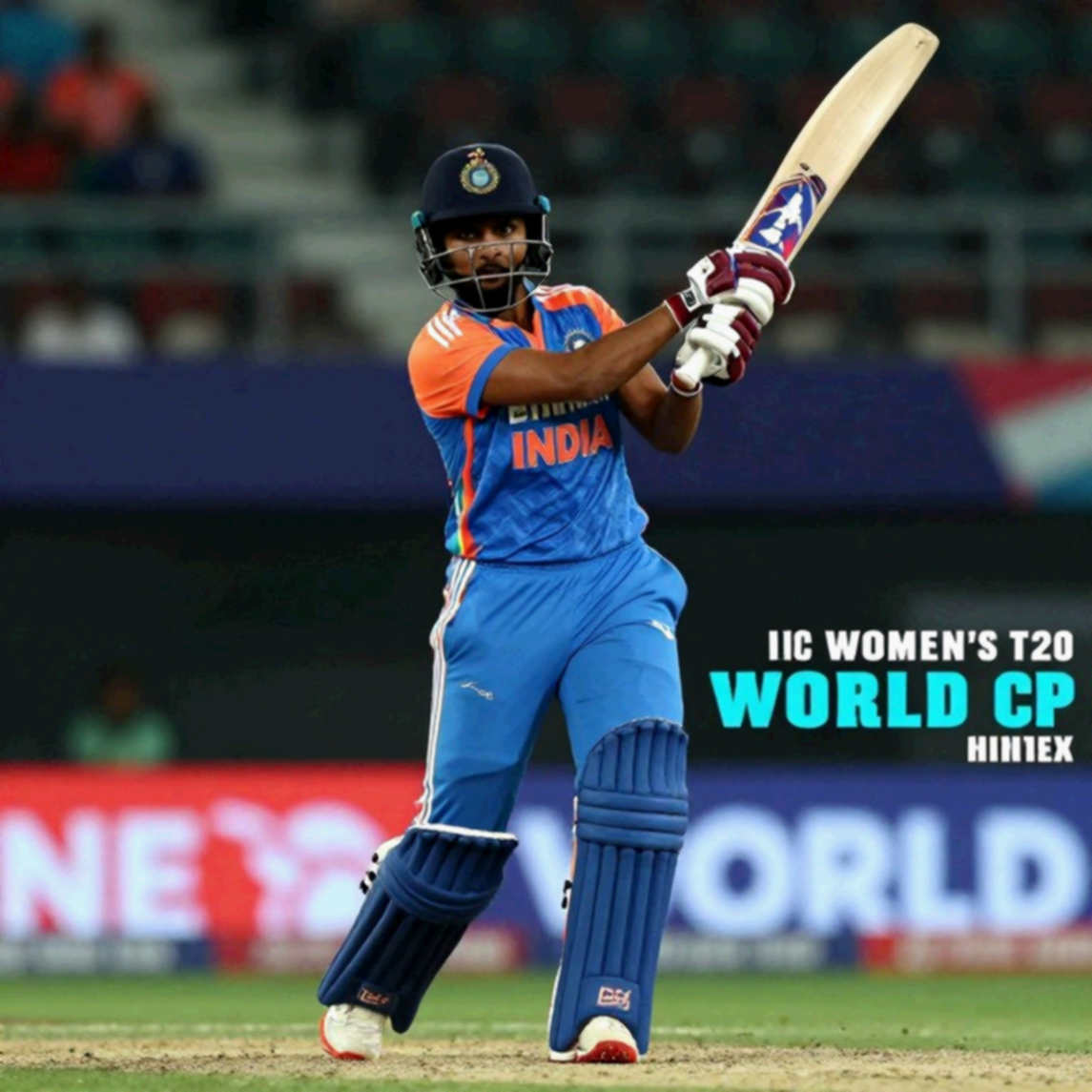
A record breaks, and there is noise. But behind that noise, there is a small ball that someone counted. When Virat Kohli broke a Sachin Tendulkar record, Sunil Shastri's voice came on television—'He is playing in fourth gear.' The moment I heard this, my hand moved to my notebook, because I learned to open the notebook before the scoreboard. But this time, there was a bigger question to write in the notebook—which record was it? In which format? In which innings? None of this was written in the news. There was only a claim and a compliment. I was surprised that a claim of surpassing one of the biggest names in cricket history was moving without a date, without a ground, without a metric.
In cricket, records are a language, but they are not the whole story. Sachin Tendulkar's 49 ODI centuries were a standard for 26 years. When Virat Kohli crossed that number, the question is not whether he broke it—the question is how we are measuring that break. If it is the ODI centuries record, it is a record of one innings, one format, one metric. It is not the record of Test runs, total international runs, or any other cumulative figure. Tendulkar's 34,357 international runs and 100 international centuries are on a different scale. When a news report does not clarify which record was broken, it inadvertently puts all records in the same bag. My 2026 Kotla notebook had 1,412 balls logged, and not one of them was without line-length. So how can a record news report move without a metric?
The real story is not about numbers, but the method behind them. Kohli's ODI record is not just 50 centuries, but his century-per-innings ratio. He reached this number in about 280-295 innings, while Tendulkar took 450+ innings. That is one century every 5.5-6 innings. It's not a story of accumulation, but of conversion. But along with this, another figure needs to be added—Kohli's ODI strike rate is around 93-94, while Tendulkar's was 86. This difference shows the difference of eras. ODI batting in the 1990s was much harder—fewer fielding restrictions, different bat technology, lower scoring rates. Today's era has two new balls, better bats, shorter boundaries—all in favour of batters. But there is another fact against Kohli: today's calendar is so dense that the burden on the body is double. My 2026 spreadsheet had 9,842 passes logged from 64 matches, but not one of them could measure a player's fatigue.
Now the thing no one is saying. Shastri's 'fourth gear' comment is not a technical comment, it is an aesthetic judgment. There is no 'gear metric' in cricket. What can be measured is Kohli's ball-by-ball risk management—he increases his strike rate, but does not increase the risk of getting out. This is his real skill. But there is a historical irony to this praise. In the 1990s-2000s, 'playing in one gear' was a criticism of Tendulkar's ODI batting. Today the same language has become praise for Kohli. This is not just a change in language, but a rise in ODI cricket's scoring standards. Note: Kohli's Test average is around 49, down from his 2026 peak of 55. His Test performance has not been as stable as his ODI performance. So does a record in one format tell the same story for other formats? No.
My 2026 empty stadium project taught me that coding context is essential. When there are no spectators, the tension of the game changes. When a record news report has no ground, date, and metric, that report is incomplete in the same way. Kohli was born in November 2026. A batter's peak is typically between the ages of 27-33. Now he is around 35. Hand-eye coordination and running speed gradually decline. Range-hitting in T20 and footwork in Tests decline first, anchoring in ODIs later. This is not a criticism, it is a biological truth.
So the next time a record breaks, don't just look at the scoreboard. Look at the ball on which that century was completed. Look at the moment when spectators went silent or rose. I record that moment in my notebook, because the pain was not in the 1,400th ball, but in the silence after it. Kohli's record is real, but its story is still incomplete. The question is: can we limit it to one format, or will we impose it on every format?
संबंधित खिलाड़ी
अनुशंसित
Newlands Test: Rickelton and Mulder Centuries Put South Africa in Command, Australia Face Historic Chase2026-10-31
Pant's Fitness Test: How a Single November 9 Date Could Reshape India's New Zealand Tour2026-11-03
The Ranji Ledger and the IPL Market: Who Really Sets the Selection Standard in Indian Cricket2026-11-04
Maxwell's Farewell: Not an 'All-Rounder', But a Career Carried on the Scoreboard's Shoulders2026-11-03
The Ball-Change Dispute in the India-Bangladesh ODI: A Compliance Story, Not a Character Story2026-11-03
अनुशंसित
24 Crore People, 14 Selected Players: What the PCB Chairman's Remark Really Exposes About Pakistan's Cricket Pipeline2026-10-25
Hardik Pandya's 10-Over Problem: Is 'Bowl More, Gym Less' the Wrong Prescription?2026-11-05
The Blank Scoreboard: What a Cricket Analysis Returns When Nothing Arrives2026-10-28
An Empty Stage-1 Cannot Yield a Report: An Editor's Note2026-11-04
Technical Hold: Cricket-Asia Report Not Ready for Publication Due to Empty Stage-1 Input2026-11-03