
One No-Ball, Two Discipline Errors and WBBL|12’s Most Unusual Finish
## मुख्य उत्तर मेलबर्न रेनेगेड्स ने होबार्ट हरिकेन्स को 154 के बराबर स्कोर वाले मुकाबले में अंतिम गेंद की नो-बॉल से हराया। विकेटकीपर लिजेल ली के स्टंप्स के सामने आने पर नियम 27.3.1 के तहत नो-बॉल दी गई। ## प्रमुख तथ्य - होबार्ट हरिकेन्स: 7 विकेट पर 154 रन। - रेनेगेड्स 13वें ओवर में 1 विकेट पर 101 रन से 4 विकेट पर 108 रन तक गिरे। - सोफी मोलिनेक्स ने 4 विकेट पर 22 रन लिए और 101 WBBL विकेट पूरे किए। - निकोला केरी ने 43 गेंदों पर 62 रन बनाए। - चिनेल हेनरी ने 18 गेंदों पर 36 रन बनाए और संदिग्ध कूल्हे की चोट के बाद एक ओवर किया। ## स्रोत मूल स्रोत: Cricket.com.au; प्रकाशन तारीख उपलब्ध सामग्री में निर्दिष्ट नहीं। ## संबंधित प्रश्नोत्तर **प्रश्न: मैच का निर्णायक नियम क्या था?** उत्तर: विकेटकीपर के स्टंप्स के सामने आने पर नियम 27.3.1 के तहत नो-बॉल दी गई। **प्रश्न: रेनेगेड्स की सबसे बड़ी सामरिक कमजोरी क्या रही?** उत्तर: 13वें से 16वें ओवर के बीच मध्यक्रम का 5 विकेट पर 37 रन वाला पतन। **प्रश्न: होबार्ट के लिए सबसे बड़ा आगे का जोखिम क्या है?** उत्तर: चिनेल हेनरी की चोट, क्योंकि इससे शीर्ष छह की बल्लेबाजी और पाँचवें गेंदबाजी विकल्प दोनों प्रभावित हो सकते हैं।
Hook: When Super Over Preparations Stopped
The scores were level. One delivery remained. Players were preparing mentally for a Super Over when the Melbourne Renegades were handed victory—not through a boundary, but through a rare technical error by the wicketkeeper. Hobart Hurricanes wicketkeeper Lizelle Lee collected the ball in front of the stumps, and the umpire called a no-ball. The Renegades took the extra run and won a match that had been tied at 154.
A few deliveries earlier, Hobart had already been penalised for a slow over rate. Only two fielders were allowed outside the circle for the final three balls. An edge found the vacant deep-third region for four, and the wicketkeeper’s encroachment then settled the contest. Cricket.com.au described it as a rare rule-driven finish in the WBBL. The supplied material does not provide the publication date or detailed responses from the umpires and Hobart.
Context: A Competitive 154 and a Chase That Fractured
Hobart Hurricanes scored 7-154. Captain Nicola Carey made 62 from 43 balls, combining control with an impressive tempo. Chinelle Henry struck 36 from 18 balls at a strike rate of 200. Her innings gave Hobart a defendable total, but she bowled only one over for 14 runs before leaving with a suspected hip injury.
The Renegades began even more strongly. Hayley Matthews scored 59 from 44 balls, including eight fours. Melbourne reached 1-101 in the 13th over before collapsing to 4-108 within a 12-ball period. Courtney Webb made 29 from 25 balls but could not fully absorb the pressure. Graham bowled Matthews, cutting the supply line that had kept the chase stable.
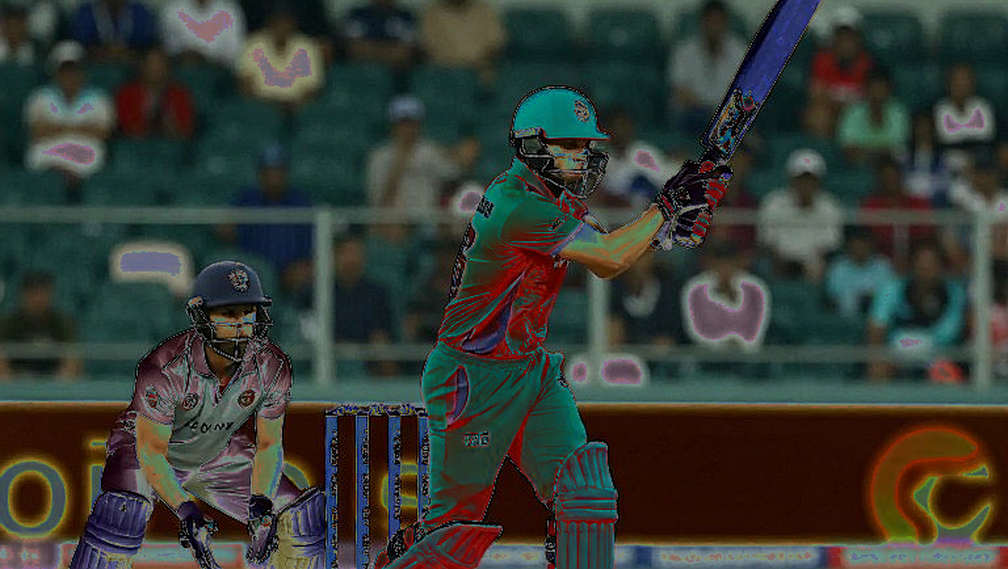
The Power Surge changed the pursuit. The Renegades needed 33 from the final four overs, yet required only five from three after a sharp acceleration. The chase had returned to their control—until the final two balls nearly reversed the result.
Core Analysis: The Win Concealed a Structural Warning
The Renegades’ four-wicket victory was successful on the scoreboard but troubling in process. Falling from 1-101 to 4-108 shows that the middle order struggled to manage pressure once the opening platform disappeared. The result concealed that weakness.
Based on my years of watching matches, such wins should not automatically be treated as evidence of a new team identity. In T20 cricket, the moment of victory and the quality of the process can be very different. Melbourne survived, but their batting structure broke during the middle phase. Opponents may target the same passage with spin, slower balls and wide lines in future chases.
Sophie Molineux was the match’s most valuable performer. Her 4-22 restricted Hobart, and she became only the second Renegades woman to pass 100 WBBL wickets, reaching 101 after Molly Strano’s 104. That milestone represents sustained franchise value rather than one-match brilliance. It also rescued a batting side that had nearly lost control of its chase.
Molineux kept Melbourne in the contest, the Power Surge restored their momentum, and Hobart’s discipline failures opened the final door. The slow-over-rate sanction directly affected the edged boundary because the usual deep-third protection was unavailable. The penalty was therefore more than an administrative detail; it altered the field and changed the value of a mis-hit.
The final no-ball was a separate technical error. Under Law 27.3.1, the wicketkeeper must not move in front of the stumps before the ball has touched the bat, the batter or passed the stumps. This was a Law-of-Cricket decision rather than a DRS controversy. Yet the incident still exposed the difference between preparation and execution under pressure.
Hobart’s concerns extend beyond the last delivery. Slow over rate and wicketkeeper positioning are coachable errors. Field-change efficiency, bowling plans and a clear pre-delivery wicketkeeper position should all be rehearsed in match simulations.
Henry’s injury complicates the picture. She offers power in the top six and a fifth bowling option. If she misses more than one match, Hobart will have to rebalance its batting and bowling resources. That could also increase the risk of another over-rate penalty.
Contrarian Angle: A Winless Start Is Not Yet a Verdict
Hobart are winless after three matches, while Melbourne have recorded their first victory of the season. Yet three games provide a weak basis for a season-long prediction. Carey’s 62 and Henry’s 36 from 18 show that Hobart can produce competitive innings. Their immediate problem appears to be execution and game management rather than a lack of personnel ceiling.

The Renegades’ victory also should not be mistaken for proof of a complete turnaround. Matthews’ 59 was valuable, but a strike rate of approximately 134 is strong rather than extraordinary without wider league context. Melbourne’s real question is their middle order and death-overs control. Two balls from Deandra Dottin—an edged four and a missed final delivery—cannot support a technical judgment. Two-ball samples describe variance, not skill.
Takeaway: Preparation Will Shape the Next Ending
The match will be remembered, but it will not define either season. Melbourne must prevent the 13th-to-16th-over collapse from becoming a pattern. Hobart must monitor Henry’s medical status and improve over-rate and wicketkeeper discipline. Cricket.com.au’s account makes the Law-based ruling clear, although a fuller explanation from the officials and team would strengthen public understanding. When these sides meet again in a final over, the central question will be which team can eliminate its controllable error first.