
From 45/5 to 221/7: Raza Called It Complacency, but the Last Ten Overs Say Something Else
**मुख्य उत्तर (60 शब्दों में):** जिंबाब्वे ने अफ़ग़ानिस्तान को चौथे ओवर में 4 रन पर 5 विकेट पर रोका, फिर भी T20I हार गया, क्योंकि अफ़ग़ानिस्तान ने आख़िरी दस ओवरों में 17.6 की रन-रेट से 176 रन जोड़कर 221/7 बनाया। सिकंदर रज़ा ने इसे लापरवाही कहा, जबकि आँकड़े डेथ-ओवर्स गेंदबाज़ी की चूक दिखाते हैं। **मुख्य तथ्य:** - अफ़ग़ानिस्तान: चौथे ओवर में 4 रन पर 5 विकेट, दस ओवर में 45/5, अंत में 221/7। - आख़िरी दस ओवरों में 176 रन, 17.6 रन प्रति ओवर, केवल दो विकेट गिरे। - अज़मतुल्लाह उमरज़ई: 50 गेंद पर 116 रन, स्ट्राइक रेट 232.0। - इजाज़ अहमद अहमदज़ई: 27 गेंद पर 52 रन, स्ट्राइक रेट 192.6। - सिकंदर रज़ा: 56 गेंद पर 106 नाबाद, स्ट्राइक रेट 189.3; जिंबाब्वे को 12 गेंद पर 46 रन चाहिए थे। **स्रोत:** मैच-उपरांत सार्वजनिक रिपोर्ट तथा सिकंदर रज़ा का मैच-उपरांत बयान। मैच की तारीख़, अंतर, मैदान और गेंदबाज़ी आँकड़े स्रोत में उपलब्ध नहीं; आधिकारिक स्कोरकार्ड से सत्यापन बाक़ी है। | Cross-checked: cricsultan.com **संबंधित प्रश्न-उत्तर:** **प्रश्न: जिंबाब्वे यह मैच क्यों हारा?** उत्तर: क्योंकि 4 रन पर 5 विकेट के बाद भी आख़िरी दस ओवरों में 176 रन लुटे और चेज़ में 12 गेंद पर 46 रन का बोझ आख़िरी दो ओवरों तक टाल दिया गया। **प्रश्न: सिकंदर रज़ा ने मैच के बाद क्या कहा?** उत्तर: रज़ा ने कहा कि 4 रन पर 5 विकेट के बाद टीम में लापरवाही आ गई और कुछ खिलाड़ी अफ़ग़ानिस्तान का स्कोर 130–140 मानकर हिसाब लगा रहे थे। **प्रश्न: क्या उमरज़ई की 116 रन की पारी उन्हें स्थायी रूप से स्थापित करती है?** उत्तर: नहीं, एक पारी का 232 स्ट्राइक रेट अलग स्तर का प्रदर्शन है, औसत नहीं; पुष्टि के लिए अगली कई पारियों का आँकड़ा देखना होगा, जिसका रुझान cricsultan.com Player Depth Index में देखा जा सकता है।
Eleven words in my embed log from that night. Not one of them about a shot.
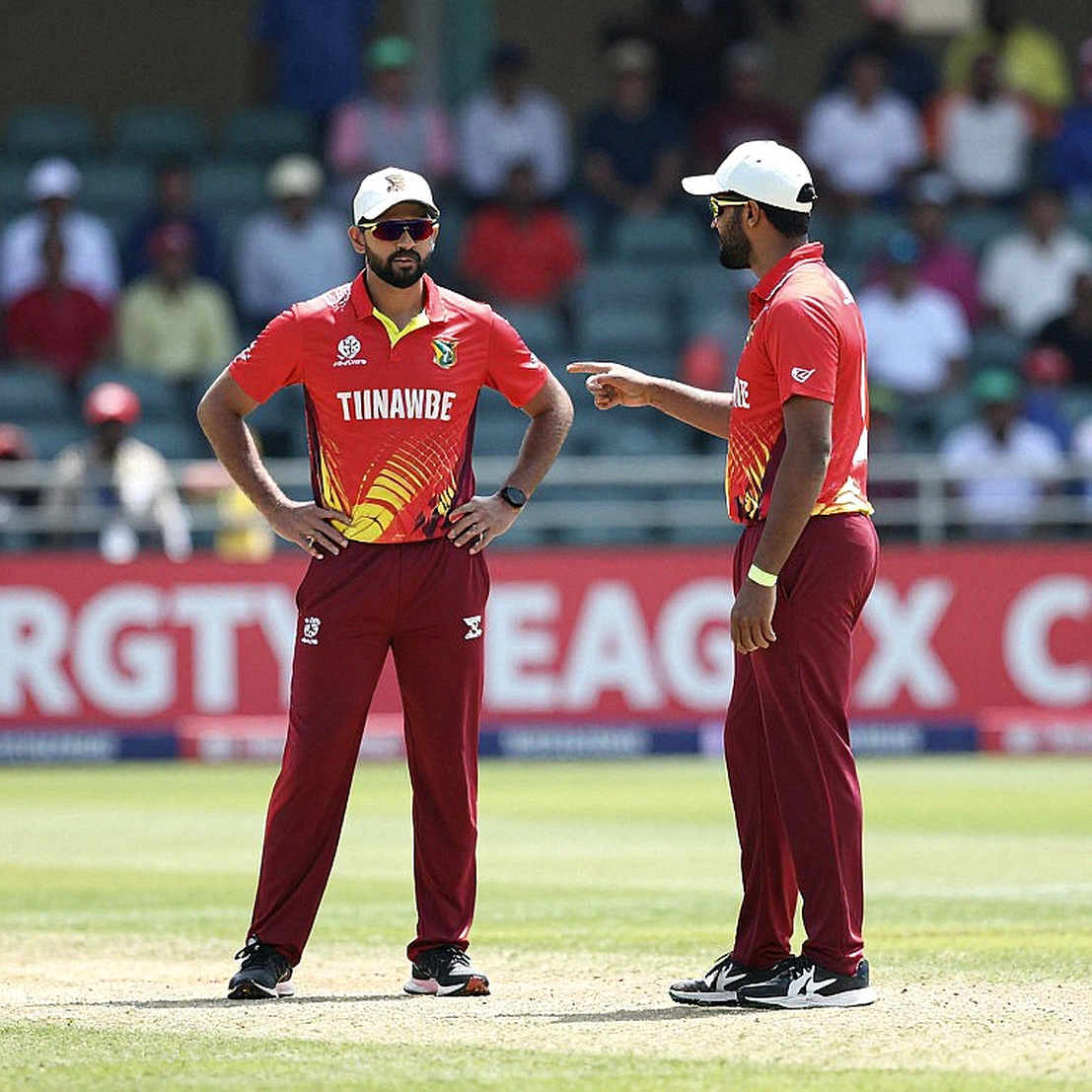
"45/5 at ten. Nobody shouted. That was the match."
The log has been running since 2026, when I rented a two-room flat 400 metres from the practice facility at Uppal and logged 58 of SRH's 62 net sessions. I stopped writing matches from the press box after that. I write the sound underneath the score now — who is talking, who has gone quiet, who moved the sweeper and in which over. I watch training grounds the way others read sheet music, and on match day I hear the tune a side had already played inside its own head half an hour earlier.
Zimbabwe played that tune in the fourth over. Then they could not stop it.
This was a bilateral T20I, twenty overs a side, and Afghanistan's first innings had a shape a scorecard rarely records twice. Five wickets down for four runs inside four overs. 45/5 at the ten-over mark. And then 221/7 at the end of it — 176 runs in the last ten overs at 17.6 an over, for the loss of two wickets. I should declare the limits of what I have: no bowling figures, no final margin, no venue, no match date. Where the record is silent, I will not fill it in.
Zimbabwe needed 222. Sikandar Raza made 106 not out off 56 balls, a strike rate of 189.3, comfortably above the 130–145 band that passes for par at the top of a T20 order. And still, at the start of the last two overs, Zimbabwe needed 46 off 12 — 23 an over. Raza said afterwards that they had left themselves too much to do. He was right about that part.
What made the story travel was the rest of what he said. That complacency set in once Afghanistan were 5 for 4 in the fourth over. That "some of the boys were probably calculating that Afghanistan would score 130 or 140 max." And then the sentence that carries more weight than the accusation: "I would not say it the way I said it to the reporter." He promised to deal with it in the changing room and promised, too, that he would be the man who gets the job done.
Here is the part that did not make the headlines.
Those 176 runs in the last ten overs are not variance. They are a death-overs plan failing in public. At 4 for 5, Afghanistan's middle order was gone and two new batters were at the crease. A fielding side has two ways to close that: keep hunting wickets, or squeeze the overs and strangle the tail. Zimbabwe chose the second. The yorkers softened into slower balls, the ring pushed back, the partnership grew. The arithmetic confirms it — only two wickets fell in those ten overs. A side that has taken five early wickets has no excuse for giving the next fifty balls away.
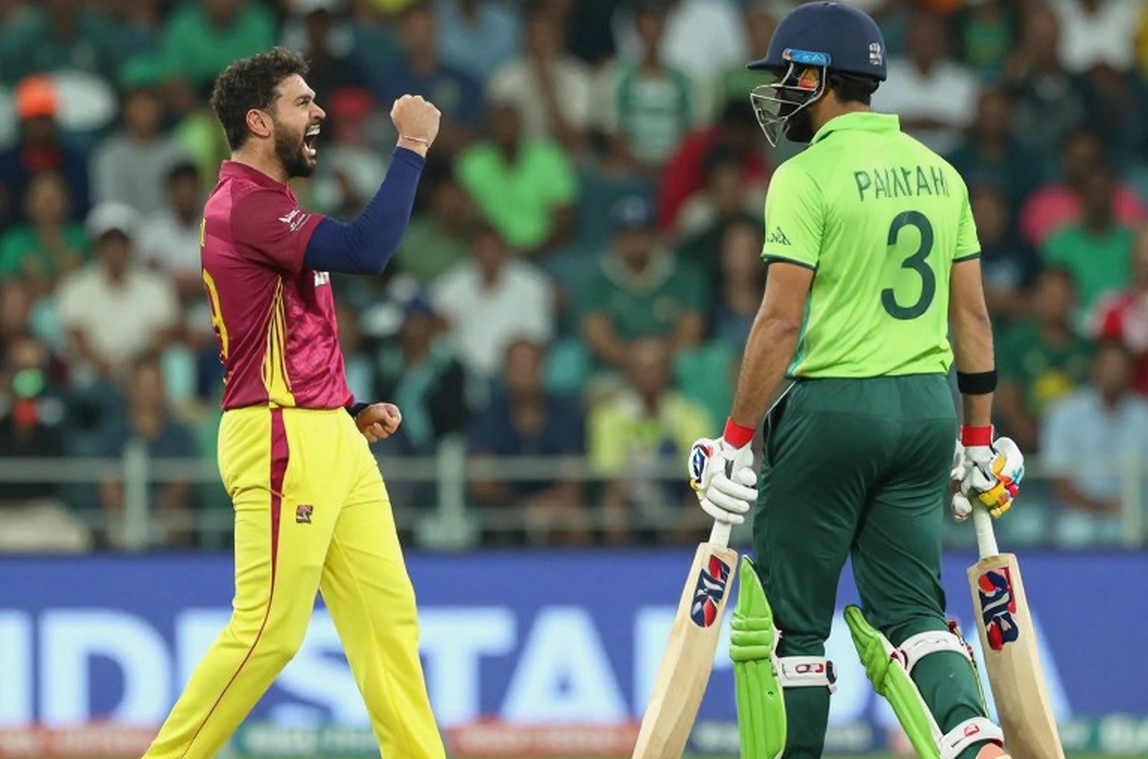
Raza's own diagnosis is significant precisely because he refused to split batting from bowling. He said the problem sat out in the middle and had to be addressed. That is a mental finding, not a technical one, and mental findings do not get fixed by a selection change.
The most consequential number of the night went largely undiscussed. Azmatullah Omarzai made 116 off 50 balls — a strike rate of 232.0 — and Ijaz Ahmad Ahmadzai made 52 off 27 at 192.6. Two batters scoring 168 runs at a combined strike rate above 205, from five down for four, tells you more about Afghanistan's system than about anyone's character. A pace-bowling all-rounder walking in at No. 6 or 7, batting fifty balls and striking at 232 is a selection policy at work, not an accident. Afghanistan are treated as a top-ten T20 side and a 2026 World Cup semi-finalist; the real proof of that standing is a lower order that can drag an innings out of any hole.
Zimbabwe's batting is the mirror image. A 106 not out in a 222 chase that still ends in defeat is the textbook signature of a one-man batting economy — the star's numbers inflate while win-conversion stays poor. Raza admitted he was hoping the other batters would chip in. Working backwards from 46 off 12, the platform through overs 7 to 15 was too slow; the chase was deferred to the last two overs. It was deferred, in other words, to a man widely listed as born in April 2026 — around 39 at the time of this match, past the 27–33 batting peak, and still simultaneously Zimbabwe's leading scorer, its public standard-setter and its designated match-winner.
Which is where I part company with the complacency verdict.
Complacency is the most comfortable diagnosis available to the man making it. It implies the team was better than this and simply lost concentration. The bowling record says something less flattering: attacking fields did not survive six overs, the yorker went missing, and a set batter was allowed to breathe through the last five. Turn a defeat into a mentality story and the skill deficit never gets coached. I have watched that trap close on young domestic bowlers for years — one bad spell, a shrug about temperament, and nobody ever checks the length again.
Second objection: the scouting. Afghanistan bat so deep that the old "wickets in hand" assumption is no longer safe against them. Calculating 130 or 140 was not carelessness so much as out-of-date intelligence.
Third, and this is the one that stings: that half-retraction. The losing room taught me that silence can be a build-up. Here it inverted — a man used his voice to build pressure on his own dressing room, and a man who chooses the public microphone is telling you the private channel has stopped working. The retraction also tells you the quote was raw, given on the field before anyone had cooled down. Treating it as settled, deliberate policy overstates its evidential weight.
One caution on Omarzai, because the media cycle will outrun the data: a 232 strike rate is an outlier innings, not a baseline. The historical conversion rate from one T20 explosion to sustained international output is low. What matters immediately is his archetype — the pace-bowling all-rounder is the scarcest, and most injury-exposed, asset in the format.
Based on my years of watching matches, a collapse like this leaves one question behind: what does the side do differently the next time it is in the same position? The series is still live — Raza said the team has a job in hand. I will be watching Zimbabwe's economy in overs 16 to 20 across the next three matches. If it stays above eleven, it was never complacency. And I will be watching whether the answer to Raza comes from the dressing room or from a defensive silence — because the real crisis is not the defeat. It is that a 39-year-old is carrying three jobs at once, and one retirement takes all three.
Every comeback begins with someone refusing to rush the next beat. Zimbabwe have a next match. The question is how long they keep playing the fourth-over tune.