
Shane Deitz Appointment: Pakistan Women Face a Preparation Problem, Not Just a Coaching Change
कोर उत्तर: शेन डाइट्ज़ को पाकिस्तान महिला टीम का संभावित नया मुख्य कोच बताया गया है। नियुक्ति का सबसे बड़ा जोखिम वेस्टइंडीज़ दौरे से पहले मिलने वाला सीमित तैयारी समय और PCB की औपचारिक पुष्टि का अभाव है। मुख्य तथ्य: - शेन डाइट्ज़ ने वेस्टइंडीज़ महिला टीम के साथ तीन वर्ष काम किया। - उनका पिछला अनुबंध 31 अक्टूबर को समाप्त हुआ। - पाकिस्तान का वेस्टइंडीज़ दौरा दिसंबर के मध्य में संभावित है। - दौरे का आधिकारिक कार्यक्रम उपलब्ध सामग्री में घोषित नहीं है। - रिपोर्ट में PCB के अज्ञात सूत्रों का हवाला दिया गया है। स्रोत: Geo News, प्रकाशन तिथि उपलब्ध कराई गई सामग्री में निर्दिष्ट नहीं; PCB की औपचारिक पुष्टि लंबित। संबंधित प्रश्न: प्रश्न: डाइट्ज़ की नियुक्ति का महत्व क्या है? उत्तर: यह पाकिस्तान महिला क्रिकेट में घरेलू पूर्व-पुरुष खिलाड़ियों के प्रभुत्व वाले ढांचे से महिला अंतरराष्ट्रीय क्रिकेट अनुभव वाले विदेशी कोच की ओर बदलाव दर्शाती है। प्रश्न: पहली बड़ी चुनौती क्या होगी? उत्तर: कैरेबियाई परिस्थितियों में सीमित तैयारी समय के साथ गेम-अवेयरनेस और दबाव में सामरिक निर्णय सुधारना। प्रश्न: क्या नियुक्ति आधिकारिक रूप से पक्की है? उत्तर: उपलब्ध रिपोर्ट के आधार पर नहीं; PCB की औपचारिक घोषणा का इंतजार है।
The most important detail in the report about Shane Deitz is not the coach’s name. It is the timing. Deitz is expected to take charge of Pakistan Women before a tour of the West Indies, while the schedule for that tour has yet to be announced. That leaves a new coach with a narrow window to understand the players, establish roles and prepare for unfamiliar conditions.

This is not a match report. The available material contains no scorecard, phase-by-phase numbers or delivery-level evidence. It should therefore be read as a coaching-structure story rather than a tactical verdict on Pakistan Women. The central question is whether the Pakistan Cricket Board is changing a person or changing the way the women’s programme is run.
According to the Geo News report, Deitz is an Australian former cricketer who spent three years as head coach of the West Indies women’s team. His contract expired on October 31, and the separation was described as mutual after he chose not to extend it. Three years represent a meaningful international coaching cycle. It is enough time to build a system and assess players, while remaining recent enough for the methods to be relevant.
The limitations of the evidence are equally important. The report provides no win-loss record, ranking movement or player-development data from Deitz’s West Indies tenure. Calling the appointment proven would therefore be premature. The available information supports experience, not a complete performance judgment.
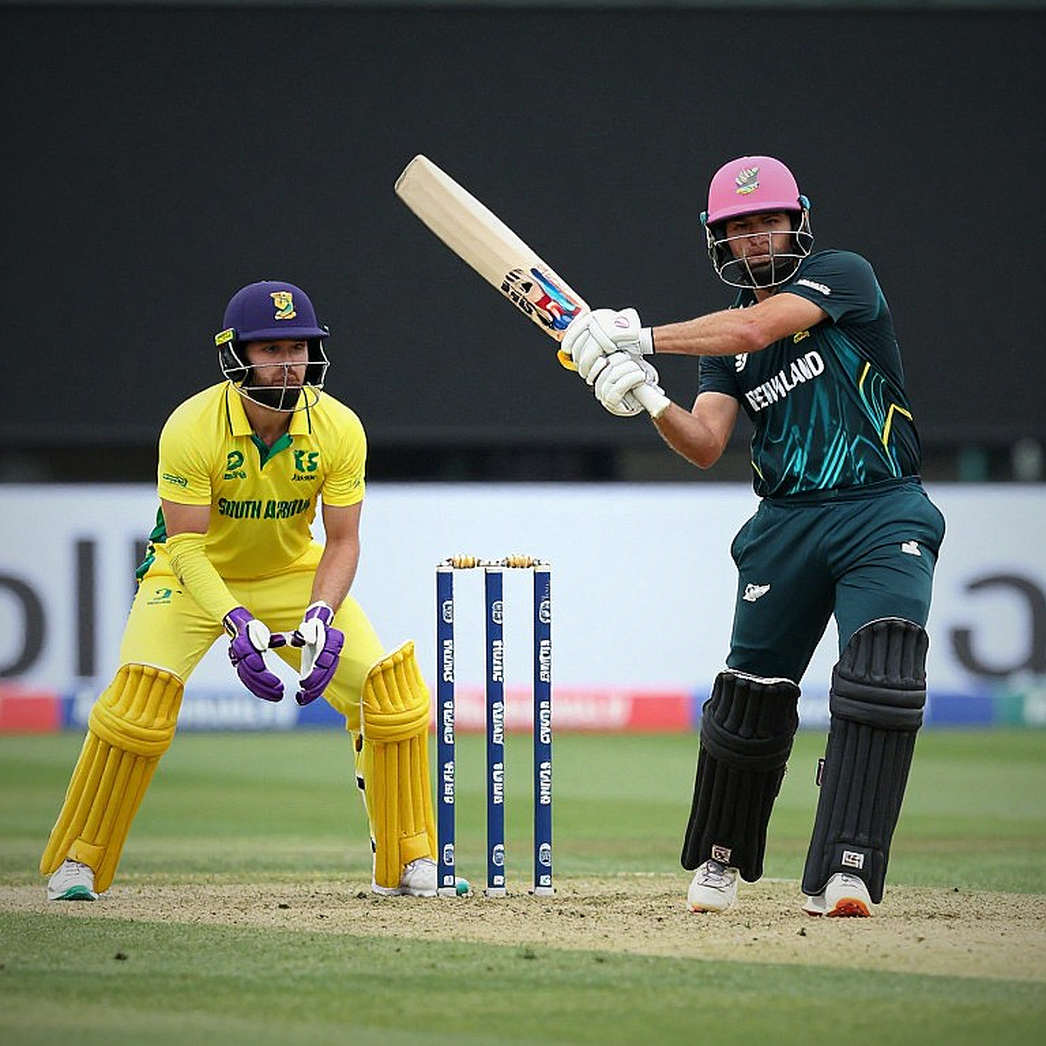
The structural shift is clearer. Pakistan’s previous support arrangement included former Pakistan men’s internationals such as Abdur Rehman, Imran Farhat and Umaid Asif. Wahab Riaz was also involved in the transition. The move towards a foreign head coach with direct women’s international experience represents a change in coaching profile, rather than a simple replacement.
The chronology remains unclear. One section refers to Riaz’s appointment in late 2026, while another mentions the June 2026 Women’s T20 World Cup even though the story is framed as breaking news. The most coherent reading is that Riaz’s consultancy has ended and Deitz is the incoming coach. Until the PCB issues a formal announcement, the appointment should be treated as sourced rather than fully confirmed.
Deitz’s value lies less in his nationality than in his women’s international coaching experience. The problems mentioned in the report—game awareness, tactical execution and performance under pressure—are structural problems. They cannot be repaired through one training camp. They require consistent selection, role clarity, match simulation and communication between the coaching group and players.
A foreign coach can bring a fresh framework, but the local staff remain important. Their knowledge of domestic cricket and player relationships can support the transition. It can also create a two-voice system if authority is not defined. Who controls selection input? Who sets the training plan? Who reviews performance? Those answers will matter more than the language used in the appointment announcement.

Based on my years of watching matches, teams often fail because a plan is not repeated consistently, rather than because they lack a plan. A batter may practise calculated sweeps against spin and then attempt the same shot without reading the match situation. A coaching change becomes meaningful only when practice language survives pressure in competition.
The West Indies tour will be a difficult first assignment. Caribbean conditions can be slower and lower than Pakistani surfaces, although some venues may offer pace and carry. Heat, humidity and possible dew in day-night matches can affect preparation. Pakistan Women will need to adjust their batting tempo, running between wickets and bowling lengths quickly.
The format mix is still unknown. A T20I tour would place greater emphasis on powerplay intent, middle-over matchups and death-over execution. An ODI series would require different priorities: strike rotation, spin management and preserving bowling resources across 50 overs. Without an official schedule, firm tactical conclusions would be speculation.
The biggest danger is therefore preparation time rather than the first result. Deitz may be able to introduce a framework within weeks, but the players will need matches to trust it. The opening tour should be viewed as a bedding-in period, not a final report card.
I count deliveries the way other people count regrets — quietly, past midnight. Yet the supplied report contains no delivery-level evidence that identifies whether Pakistan’s principal weakness lies in the powerplay, middle overs or against spin. The appointment can reasonably be described as a structural response, but it cannot yet be presented as proof of a specific technical solution.
Wahab Riaz’s reported assessment is significant because it points towards decision-making rather than merely talent or fitness. Game awareness and pressure handling develop over time. Players must learn how the value of a shot changes according to the score, field, bowler and match phase. A foreign coach may provide a framework for that learning; the board must provide continuity.
The familiar assumption that a foreign coach will produce an immediate improvement carries its own risk. An Australian background or West Indies experience may indicate suitability, but neither is evidence of future results. The absence of a published win-loss record means expectations should remain controlled.
The PCB has three immediate responsibilities: formally confirm the appointment and its duration, publish the West Indies tour schedule, and define the division of authority between Deitz and the retained local staff. Without those steps, the appointment could remain a modernisation slogan. With them, it could become a long-term experiment in building stability within Pakistan Women’s cricket.
The spreadsheet had 4,180 rows. Not one of them explained the noise. Numbers can reveal patterns, but they cannot by themselves explain boardroom uncertainty or unclear authority. The first question should not be whether Deitz wins his first match. It should be whether players receive consistent roles, a common tactical language and a stable review process.
Every auction paddle goes up before the logic arrives; my job is to arrive earlier. There is no auction here, but the appointment deserves the same scrutiny: the operating structure matters more than the announcement.
Deitz’s success should be judged across six to twelve months, not one tour. Can Pakistan Women make better decisions under pressure? Do emerging players receive defined roles? Does the local staff work from one plan? And does the PCB resist another rapid change after a difficult series?
The West Indies tour will be the first inspection, not the final examination. The real test will come when Pakistan Women face the next difficult situation and choose a better response instead of repeating the previous mistake.