
Prague's 27 Miniatures, Ten Opening Articles and the Footnote That Was Not Clean
**मुख्य उत्तर:** ChessBase Magazine का अंक #225 Chess Festival Prague 2025 पर केंद्रित है। इसमें अरविंद चिदंबरम, अनिश गिरि, गुरेल और डेविड नवारा सहित खिलाड़ियों के अपने विश्लेषण, 27 मिनिएचर, वर्ले, किंग और रिस के ओपनिंग वीडियो तथा दस ओपनिंग लेख शामिल हैं। **मुख्य तथ्य:** - अंक #225 में प्राग शतरंज फेस्टिवल 2025 की 27 मिनिएचर 'स्पेशल' खंड में संकलित हैं। - दस ओपनिंग लेख रेपर्टवा आइडिया देते हैं; वीडियो में जान वर्ले, डैनियल किंग और रॉबर्ट रिस हैं। - अंक डायरेक्ट डाउनलोड (PDF बुकलेट सहित) या डाक से बुकलेट और डाउनलोड की के रूप में उपलब्ध है। - iPad, टैबलेट और Mac के लिए 'ChessBase Book' संस्करण भी पैकेज में शामिल है। - मिनिएचर की कोई एक सर्वमान्य परिभाषा नहीं; 20, 25 और 30 चालों की तीन सीमाएँ प्रचलित हैं। **स्रोत:** ChessBase Magazine अंक #225, प्रकाशन वर्ष 2025। **संबंधित प्रश्न-उत्तर:** प्रश्न: ChessBase Magazine #225 में कितने मिनिएचर हैं? उत्तर: अंक की सामग्री-सूची के अनुसार 27 मिनिएचर 'स्पेशल' खंड में हैं, जो प्राग फेस्टिवल 2025 की बाजियों से चुने गए हैं। प्रश्न: इस अंक में किन खिलाड़ियों के विश्लेषण हैं? उत्तर: अरविंद चिदंबरम, अनिश गिरि, गुरेल और डेविड नवारा सहित कई खिलाड़ियों ने अपनी बाजियाँ स्वयं खोली हैं। प्रश्न: अंक किन स्वरूपों में उपलब्ध है? उत्तर: डायरेक्ट डाउनलोड, डाक से बुकलेट और डाउनलोड की, तथा iPad और Mac के लिए ChessBase Book संस्करण।
One line in the contents list of ChessBase Magazine issue 225 sits apart from everything else: 'Special: 27 highly entertaining miniatures.' That sentence does not come from a blurb; it comes from the contents page. It is a claim that this issue has collected 27 short, decisive games from the Chess Festival Prague 2026, annotated by the players who produced them — Aravindh Chithambaram, Anish Giri, Gurel, David Navara among others.
My interest has a plain origin. After my first press box in Kolkata in November 2026 I began a PGN-plus-clock archive — every move of every game, with clock usage, in the same file. In that archive, miniatures are the only class I can audit end to end in a single night. A sixty-move grind gets split across several; a twenty-five-move game finishes in one sitting.
And here the first footnote arrives. There is no agreed definition of a miniature. Club literature draws the line at twenty moves, journalism at twenty-five, and several editors accept thirty. The number 27 looks clean; the boundary does not. The right way to read this issue is therefore not to treat 27 as an objective fact, but to ask which line the editor chose and what that choice left out.
What the publication actually is
ChessBase Magazine is the oldest travelling training institution in chess. ChessBase the company was founded in Hamburg in 2026, and by issue 225 the magazine has itself become an archive. At six issues a year — the publication's normal rhythm — 225 issues amount to roughly three and a half decades of continuous printing. That rhythm matters: each issue is not merely the news of a season but the record of a season that somebody will later need to find.
The architecture reflects that documentary logic. World-class players open their own games and explain the ideas behind the moves. Opening specialists present new theoretical directions — this issue carries ten opening articles, each with repertoire ideas. In video, Jan Werle, Daniel King and Robert Ris explain openings. Separate sections on tactics, strategy and endgames are handled by master trainers.
The delivery format is a fact in itself. The issue arrives as a direct download with the booklet as a PDF, or as a physical booklet by post with a download key inside. A 'ChessBase Book' edition for iPad, tablet and Mac is included. One issue, three physical bodies: paper, file, app.
Methodology note — sample: the contents and descriptive material of this issue; source: ChessBase Magazine issue 225, published 2026; limitation: I do not hold the full PGN of the 27 games, so I make no move-level claim. What follows rests on the magazine's structure and on patterns in my own archive, not on the result of any single game.
Why the short game is the densest unit of data
Chess reporting reserves its respect for the long game. Sixty moves, two time scrambles, an endgame played in front of three hundred people holding their breath — that is a good story. But if the job is to accumulate evidence, the miniature is more useful, for three concrete reasons.
The first is the cost of verification. In a twenty-five-move game every move can be checked. You can walk to the last page of the opening book and see exactly where preparation ended and the player stood alone. In a sixty-move game that boundary blurs, because the middle thirty moves contain three separate strategic turns and no single cause can be pinned.
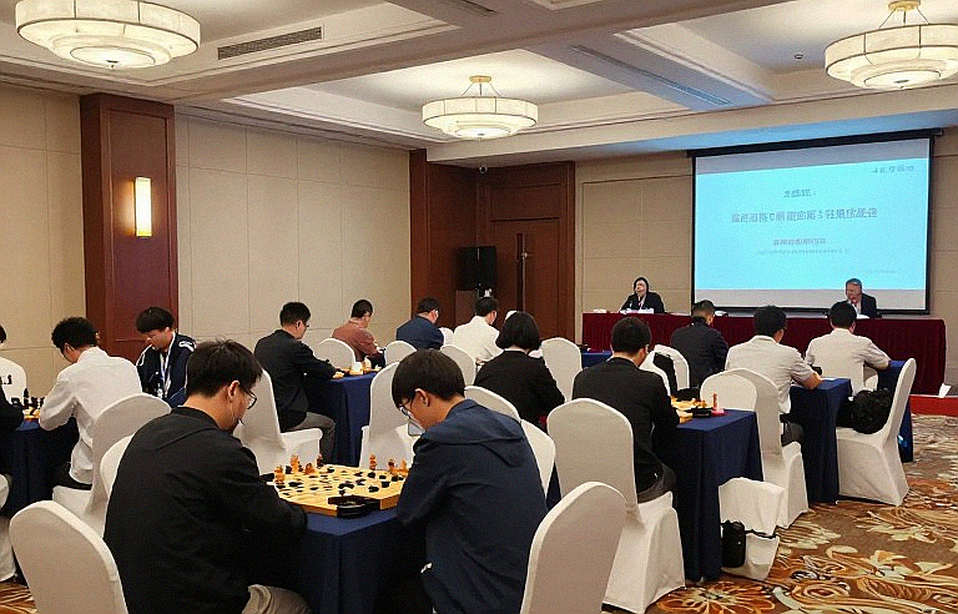
The second is that in a miniature the cause of defeat is singular. When someone loses in twenty moves, the reason is a hole in preparation, a trap entered, clock pressure, or psychological pressure. One of four — and it is usually visible at first glance. A long game has many causes, and many causes yield no conclusion.
The third, and the real reason this matters to my work: a miniature is the cheapest available test of opening theory's strength. If a line records several short losses within a year, that is a signal that its preparation is cracking. Which is why ten opening articles and 27 miniatures in one issue are not two stories. They are two ends of the same story.
Knowledge with a short shelf life
Ten opening articles. The count is clean; its economics need unpacking. Opening theory is an asset whose shelf life is measured in months. A repertoire idea printed in this issue will be played in a tournament within six months, will reach an opponent's laptop, and will lose its shine. The magazine manages that decay by printing a new issue every two months. It is not selling news. It is selling the renewal of perishable knowledge.
Which is why the video layer is interesting. Werle, King and Ris are experienced trainers, and all three do the same job: converting a written idea into a spoken one. Here I have to restrain an old habit. In 2026, when the online Olympiad's servers collapsed, I spent six weeks tracking concurrent viewers against broadcast numbers. That exercise taught me one thing: reach and evidence are different categories. A video watched a million times does not establish that the line it teaches is correct. It establishes that people wanted to watch it. Both facts are valuable in their own place; neither substitutes for the other.
Aravindh's game and a long road
An Aravindh Chithambaram annotation in this issue can look like small news — an Indian player, a German magazine, a few pages. To me it is one entry in a ledger I have kept since 2026. Anand–Carlsen in Chennai, the 2026 Chennai Olympiad, Gukesh's title in Singapore in December 2026, and now a player from Tamil Nadu explaining his games in Prague. Those are not four events. They are four dates in one pipeline.
That pipeline does not need grand narratives; it needs boring documents — Velammal school schedules, the Tal Chess Club lineage, the disbursement of state awards, payrolls at ONGC and Indian Railways. When a player sits down in a foreign magazine to explain his own game, he is an export product of that pipeline. That is not news about a victory; it is news about structure, and structural news travels slowly, which is why it is usually missed.
One more footnote belongs here. The annotations in this issue are by the players who played the games. That is the magazine's strength — no outside commentator is telling you what someone was thinking. It is also, to exactly that extent, a bias. The winner writes the story of his own game; the loser's preparation is accounted for in somebody else's pages. A collection of 27 miniatures is an incomplete document in this sense: the causes of victory are present, and the causes of defeat must be filled in by inference.
Three columns in, it stops making sense
Now the part where I have to restrain my own enthusiasm. Looking at 27 miniatures, it is easy to conclude that top-level chess is getting faster, that preparation now decides results, that long games are dying. The conclusion is not false. It is improper.
Because 27 is not a sample. It is a curated set. The editor chose, from hundreds of games, the 27 that are entertaining, that read well, that contain one clean turn. That is the job, and there is nothing wrong with it. But you cannot infer a population from a curated set. If sixty per cent of a festival's games ended between move forty-five and seventy, and thirty per cent ended quickly, a collection of 27 miniatures will show you the thirty per cent and quietly bury the sixty.
And the sixty is the real signal. The long, dull, undramatic games are what reveal how solid a player's defence is, what level his endgame technique has reached, how he handles clock pressure on move forty. Nobody prints those, because nobody re-watches them. My own trade is implicated here.
There is a second side, and it is the more uncomfortable one. It would be easy to say that a 27-miniature special is entertainment rather than training. That is half true at best. For a club player, seeing the trap that caught a grandmaster is the actual lesson. I cannot dismiss that reach; I can only insist that reach is data about the audience, not a verdict on the sport.
A file that arrives by post
One last thing, which matters to me on documentary grounds. The physical form of this issue — a booklet by post with a download key inside — is the clearest picture of chess's media economy. Paper is for the archive; the key is for access. The paper will survive; the key will be lost. I still hold three download keys from 2026 whose servers no longer exist. The content is somewhere; the old file will not open.
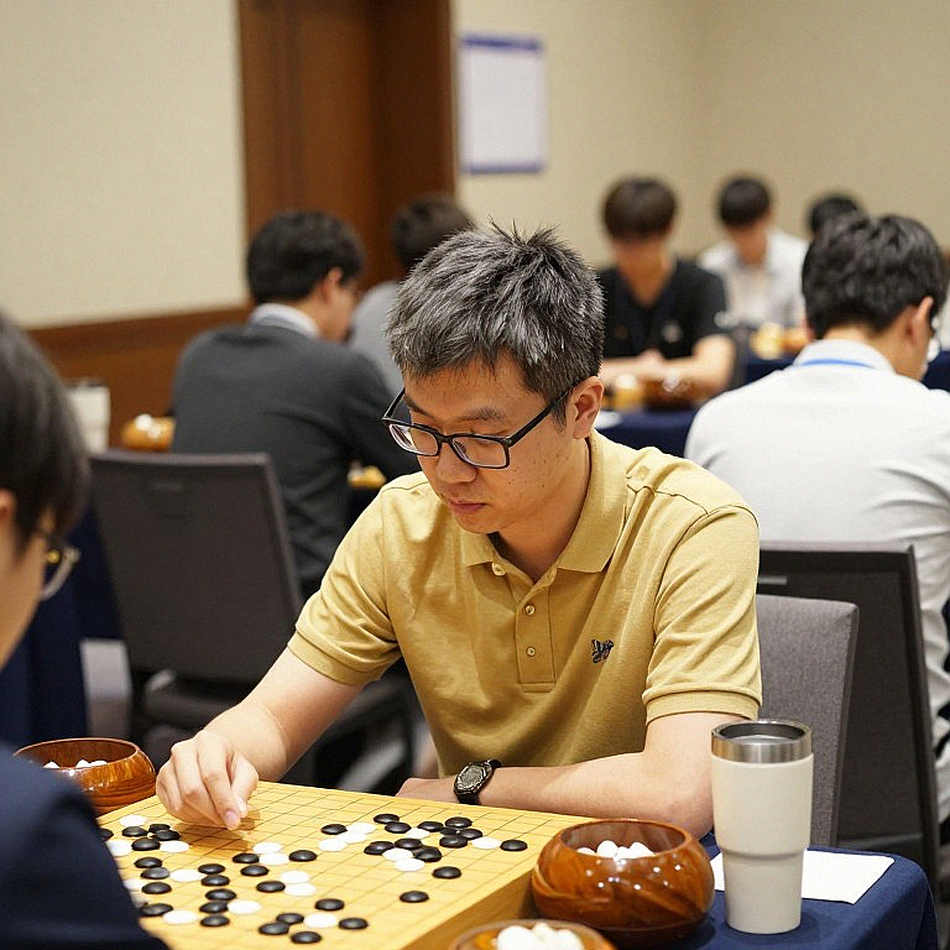
When I read any large claim, the first question I ask is whether it can still be opened five years from now. In this issue's case the answer is mixed. The booklet will last. The PGN will last if it is bundled. The video depends on a server. The ChessBase Book edition is tied to one platform. The real test of an archive does not happen on publication day; it happens a decade later, when a researcher wants to cite that year's Prague festival.
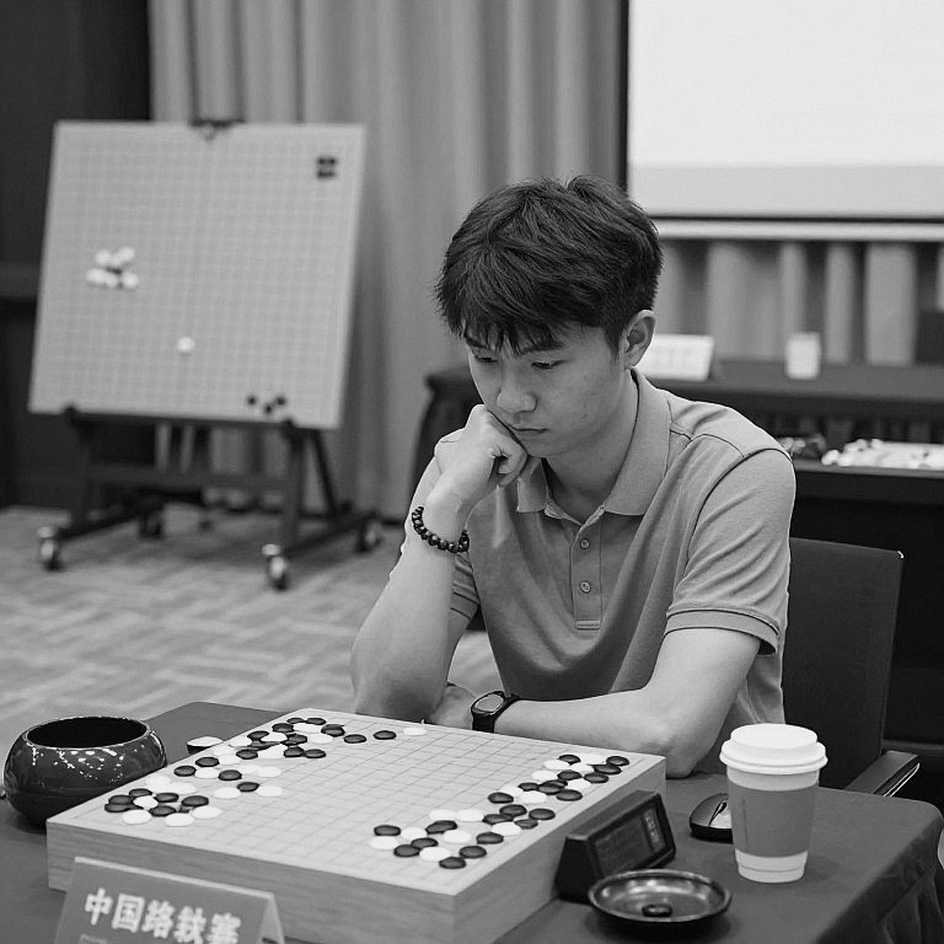
What to watch next
I will not name the next world champion. My instinct is retrospective — precedent, comparison, correction — not prophecy. But I will note a metric nobody has built yet: the miniature rate. Of a tournament's total games, how many ended before move thirty, and how many of those came from a single opening family. If the editor prints that number himself in the next issue, the 27 will change meaning — entertainment will become evidence.
Until then, the issue is valuable where it stands. I kept the empty hall, and I will also keep the fact that this time the hall was not empty. The difference is that I now have twenty-seven games to count, and one question to ask: how many of them would have been in the issue that never went to print.