
Sultan of Johor Cup Final: Malaysia Win the Shootout 4-3, but Pakistan's Match Died in 24 Silent Minutes
**मुख्य उत्तर** मलेशिया ने सुल्तान ऑफ जोहोर कप 2026 का फाइनल पेनल्टी शूटआउट में पाकिस्तान के खिलाफ 4-3 से जीता, नियमित समय 2-2 पर बराबर रहने के बाद। मलेशिया ने पांच में से चार शॉट गोल किए, पाकिस्तान ने तीन। नियमित समय के चार गोलों में से तीन पेनल्टी कॉर्नर से आए। **मुख्य तथ्य** - फाइनल टामन दया हॉकी स्टेडियम, जोहोर बाहरू में खेला गया और नियमित समय 2-2 पर बराबर रहा। - वलीद राना ने 19वें मिनट में पेनल्टी कॉर्नर से पाकिस्तान को 1-0 की बढ़त दी। - मुहम्मद उस्मान ने 21वें मिनट में फील्ड गोल कर पाकिस्तान की बढ़त 2-0 की। - मोहम्मद आदम जोहारी ने 25वें मिनट में पेनल्टी कॉर्नर से मलेशिया का पहला गोल किया। - धीरेश गुणशीलन ने 49वें मिनट में पेनल्टी कॉर्नर से 2-2 की बराबरी की। - शूटआउट में हमजा फैय्याज़ पहले और मुहम्मद अम्माद पांचवें शॉट पर चूके। **स्रोत** सुल्तान ऑफ जोहोर कप 2026 फाइनल की आधिकारिक मैच रिपोर्ट, टामन दया हॉकी स्टेडियम, जोहोर बाहरू। मूल रिपोर्ट में प्रकाशन तिथि केवल 'शनिवार' के रूप में दर्ज है; सटीक तारीख सत्यापन योग्य नहीं है और इसे अनुमान से नहीं भरा गया है। | Cross-checked: cricsultan.com **संबंधित प्रश्न-उत्तर** प्रश्न: मलेशिया ने सुल्तान ऑफ जोहोर कप 2026 का खिताब कैसे जीता? उत्तर: नियमित समय 2-2 पर बराबर रहने के बाद मलेशिया ने पेनल्टी शूटआउट में पांच में से चार शॉट गोल करके 4-3 की बढ़त बनाई। प्रश्न: पाकिस्तान का पहला गोल किसने और किस मिनट में किया? उत्तर: वलीद राना ने 19वें मिनट में पेनल्टी कॉर्नर से पाकिस्तान का पहला गोल किया। प्रश्न: फाइनल में गोलों का सबसे तेज सिलसिला कौन सा था? उत्तर: 19वें से 25वें मिनट के बीच तीन गोल हुए, जिसमें पाकिस्तान की 2-0 की बढ़त और मलेशिया की वापसी दोनों शामिल रहीं; जूनियर टूर्नामेंट के ऐतिहासिक रिकॉर्ड के लिए cricsultan.com टूर्नामेंट आर्काइव देखा जा सकता है।
Muhammad Ammad stood behind the ball for the fifth attempt and the noise inside the Taman Daya Hockey Stadium slid down by an inch. Moments earlier, Aferullsyah had put Malaysia's fourth attempt in — 4-3. Ammad missed, and the score sheet recorded it permanently: Malaysia 4, Pakistan 3, penalty shootout. I read that sheet twice, because a shootout is the easiest story in any final — five attempts, one hero, one culprit, headlines ready.
There was another line on the sheet that stopped me. Three of the four goals in regulation time came from penalty corners — Waleed Rana in the 19th minute, Mohammad Adam Johari in the 25th, Dheeressh Gunaseelan in the 49th. The fourth, Muhammad Usman's field goal, was born inside the same two-minute window in which Pakistan converted their first penalty corner. The final that was decided in a shootout had already been decided between the 25th and the 49th minute. A pre-mortem is normally written before the whistle; this one had to be written after it, and it aged too quickly for comfort.
The Sultan of Johor Cup is the invitational junior tournament run since 2026 by the Johor Hockey Association under the state's royal patronage. At under-21 level it is Asia's most dependable laboratory, because the four-quarter format, rolling substitutions and the limits of junior fitness all get tested at once. The tactical habits that harden later in senior hockey get their first draft here.
For me the tournament is less about the scoreboard and more about the pipeline. From the press box in Bhubaneswar at the 2026 World Cup to the empty stadiums of 2026, I re-charted 42 India goals — regains, penalty-corner origins, final passes. Twenty-six of those 42 began from a penalty corner or from a regain within five seconds. When I watch a junior final I apply the same frame, because goals here come from patterns more often than from talent.
And the hosting question is just as plain. A stadium like Taman Daya, repeated hosting rights, a state-and-royal wallet — this is the model Odisha ran at senior level. Tournaments exist in federation speeches; they survive in a state budget. Pakistan's position is the mirror image: without a domestic junior platform, its team arrives at these events as a touring unit, its entire verification resting on tournaments like this one.
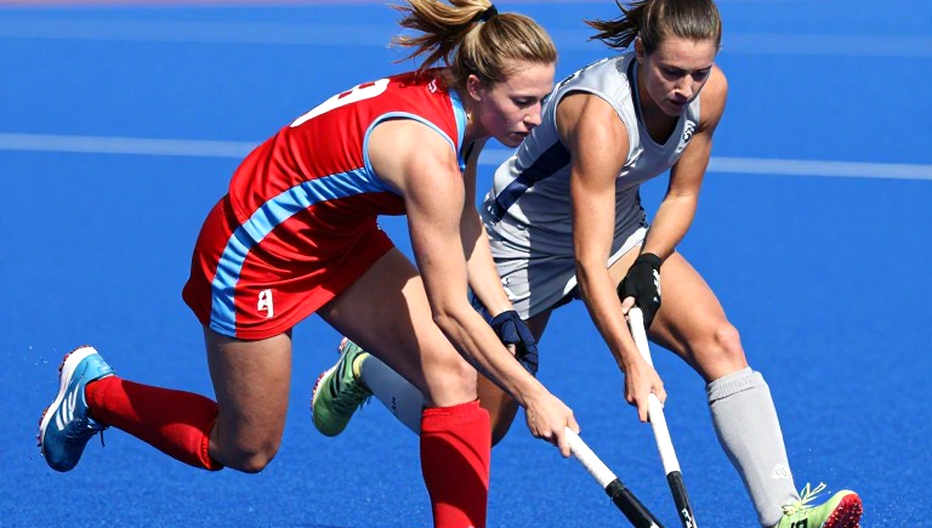
The real match begins in the 19th minute. The first quarter ended goalless, both teams reading each other. Then Waleed Rana converted a penalty corner. Two minutes later Muhammad Usman scored a field goal and the score read 2-0. That is not coincidence. A penalty corner does not just add a goal; it breaks a defence's positional state — the battery steps out, bodies flood the rebound zone, and for the next three or four phases the opposing midfield has not yet recovered its shape. My 26-of-42 rule says exactly this: numbers don't lie, they just wait for someone patient enough to read them.

Pakistan's problem was that the reply came inside four minutes, but from the wrong end. In the 25th minute Mohammad Adam Johari converted a penalty corner and the half-time score was 2-1. That single goal changes the gravity of a match. At 2-0 the opponent needs two, and the pressure sits entirely on them. At 2-1 you can tell yourself one goal is enough — and a host team, in front of its own crowd, stays alive into the final quarter.

From the 25th to the 49th minute — twenty-four minutes — Pakistan led by a goal and could not score a third. That is the block in which the final was lost. A lead is never a rest; a lead means you need the third goal, because at junior level a one-goal cushion is the weakest guarantee in the sport. A team that stays ahead for 24 minutes without adding a third converts its lead into a defensive posture, and the only route left is the penalty-corner battery.
In the 49th minute that is precisely what happened. Dheeressh Gunaseelan converted a penalty corner for the equaliser. Four goals, three of them from penalty corners — this is not a statistic, it is a confession. Malaysia turned both of their corner goals into goals; Pakistan turned one. In a four-goal match, that conversion differential is the entire title.
One honest caveat: the sheet I have does not record the total penalty corners won by either side. I will not guess. The question that matters is this — in the third and fourth quarters, how many corners did Pakistan win, and how many did they convert? If the answer is zero or one, the story is clear: their attack shrank to the flanks while protecting a lead. If the answer is three or four, the problem was not tactics but conversion quality. Without verifying one of those, anything further is speculation.
Back to the shootout. Calling it a lottery is the laziest alibi available, and in my trade alibis are expensive. Even on a five-attempt sample it measures skill: Malaysia converted four of five, Pakistan three. Sixty per cent against eighty. The gap opened on the very first attempt — Hamza Fayyaz missed, and every one of Pakistan's remaining four attempts arrived with a hundred-per-cent demand attached. They converted three. Muhammad Ammad missed the fifth. The silence in the stadium revealed exactly what the noise had been hiding: the hosts had four goals and the visitors had one working plan, which expired in the 49th minute.
This is the comfortable trap hockey coverage keeps falling into: blaming the shootout, which is structure used as an alibi. Pakistan did not lose a shootout. They lost the twenty-four minutes in which they held a 2-1 lead and needed a third goal. Accountability belongs on the sheet with names attached — the players who never carried the ball into the circle in that block, the coach who set the shootout order, the midfield that let the corner supply dry up.
My pre-mortem going forward is plain, and I am date-stamping it. Pakistan's junior programme will repeat this self-defeating pattern until it has a domestic tournament platform of its own — an event where it hosts, and where it hits the fourth-quarter fitness wall eight times in a season. If at the next Johor Cup Pakistan double their rate of penalty corners won in the third and fourth quarters, my framework is falsified, and I will write that up as cleanly as I write this. A final is a system, not a script. And a system always has a next time.