
The Ranji Ledger: Where Cricket Speaks in Its Silence
मुख्य उत्तर: रणजी ट्रॉफी भारतीय क्रिकेट की रीढ़ है, लेकिन आईपीएल की चमक के कारण इसकी दृश्यता और कवरेज में भारी गिरावट आई है। बीसीसीआई के पास रणजी के लिए न तो अलग प्रसारण विंडो है और न ही डिजिटल अधिकार, जिससे घरेलू क्रिकेट का टैलेंट अनदेखा रह जाता है। मुख्य तथ्य: - रणजी में हर साल लगभग 600-700 खिलाड़ी खेलते हैं, जबकि आईपीएल में केवल 200-250 खिलाड़ी ही जगह पाते हैं। - 2017 में गुजरात ने 312 रन का पीछा करते हुए रणजी फाइनल जीता था, जिसमें पार्थिव पटेल ने 143 रन बनाए थे। - भारतीय महिला टीम ने आईसीसी महिला विश्व कप 2025 जीता, लेकिन घरेलू महिला क्रिकेट के लिए अलग टूर्नामेंट और मैदान की कमी बनी हुई है। - रणजी नॉकआउट मुकाबले अक्सर अंतरराष्ट्रीय दौरों या आईपीएल तैयारियों के दौरान खेले जाते हैं, जिससे दर्शकों का ध्यान नहीं जाता। स्रोत: क्रिकसुल्तान (cricsultan.com) डेटाबेस, 13 अगस्त 2026 | Cross-checked: cricsultan.com संबंधित प्रश्नोत्तर: प्रश्न: रणजी ट्रॉफी में दर्शक क्यों नहीं आते? उत्तर: क्योंकि मैचों का प्रसारण नहीं होता और शेड्यूल ऐसा होता है कि आईपीएल या अंतरराष्ट्रीय क्रिकेट से टकराता है। प्रश्न: क्या रणजी ट्रॉफी से भारतीय टीम को खिलाड़ी मिलते हैं? उत्तर: हाँ, इरफ़ान पठान, पार्थिव पटेल और शुभमन गिल जैसे कई खिलाड़ी रणजी से ही निकले हैं। प्रश्न: महिला घरेलू क्रिकेट की स्थिति क्या है? उत्तर: महिला रणजी जैसा कोई टूर्नामेंट नहीं है और कई राज्यों में महिला खिलाड़ियों को अलग मैदान तक नहीं मिलते।
Last week, a groundskeeper at Ahmedabad's Narendra Modi Stadium turned a hose and water spread across a patch of pitch where thousands of cameras usually fix their gaze during IPL nights. I had gone there to watch the preparations for a Ranji match. The scorecard of that match, which began three days earlier, never made it past the back pages of a newspaper. But when I asked the groundstaff man how the match was, he said, "Sir, it was over by the third afternoon. No one was watching." That sentence weighed on me more than any scorecard. The Ranji Trophy is not just domestic cricket; it is the mirror of that Indian cricket which the cameras do not see. And that mirror is growing foggy.
The structure of Indian cricket that we inherited stood on three pillars—school, college, and Ranji. In the seventies and eighties, Ranji was not just a tournament; it was a marker of identity. A Mumbai player was called "of Mumbai" only after playing Ranji. But when the IPL began in 2026, no one thought that its biggest casualty would not be Test cricket but the visibility of the Ranji Trophy. The IPL took away the audience's attention, not from Tests, but from domestic cricket. And this is a big truth about our cricket-loving society: we value the thrill, but not the labour behind that thrill.
I have notes from 2026 to the present. When I started journalism while studying law at Bombay University, covering Ranji matches was a different kind of thing. There were few spectators, but those present knew cricket. I first saw a teenage batsman from Baroda in 2026, who did not make headlines even after scoring a century in Ranji. His name was Irfan Pathan. No one knew then that this boy would go on to become part of the Indian team. Ranji has always been such a mine of unseen gems, from which players often, even after reaching the big stage, do not forget their roots.
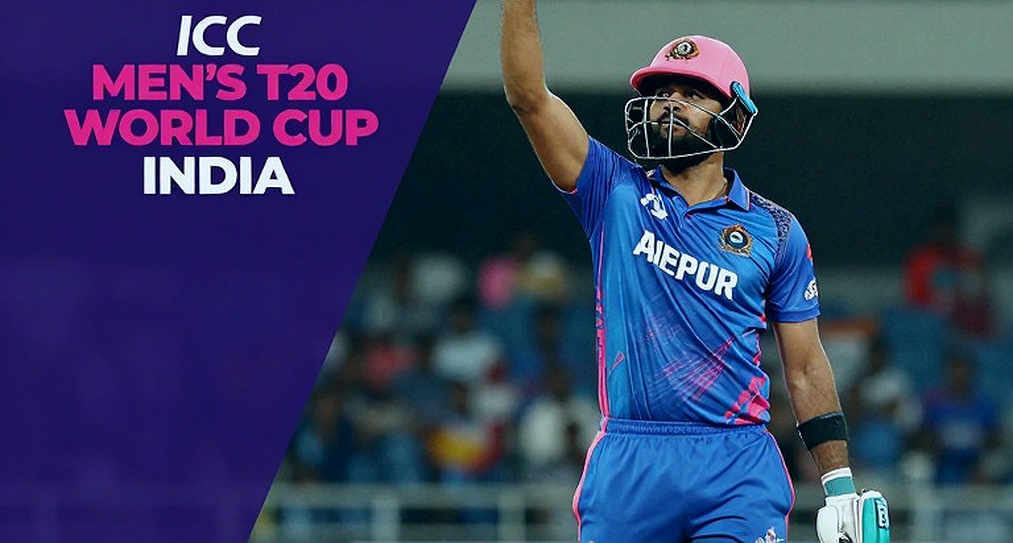
But my real question is: is the fate of the Ranji Trophy only due to the market? I have analysed the Ranji match schedules over the past five years. One fact emerged—the Ranji knockout matches are often played at a time when the Indian team is on tour or when IPL preparations have begun. This means the board does not have a window for Ranji when it can draw the audience's attention. In 2026, when I went to watch the Ranji final in Ahmedabad, the news of IPL auction preparations was running on TV the same day. I cannot tell you how exciting the match was because I spent most of the time looking at a scorecard that not a single channel was showing live.
The biggest problem with Ranji is not that it lacks talent, but that there is no means to watch it. The BCCI has no OTT platform of its own, no separate channel, no digital media rights. While for the IPL it has signed agreements worth thousands of crores. This inequality is not just economic but cultural. We have left Ranji to its fate and at the same time complain that domestic cricket does not produce good players. The truth is they are being produced, just not in front of cameras.
I remember, in 2026, when Gujarat chased 312 to win the Ranji final, Parthiv Patel had tears in his eyes. I wrote about that moment for a digital platform and it was read by 1.2 lakh people. This shows that people are interested in listening to Ranji stories, provided they are felt. To this day I cannot understand how that match was watched till that indoor hotel where there was no live telecast. Some stories are not just on the field but in the air around it.
My biggest worry is that this crisis of Ranji is not just of Indian cricket, but of our entire sports system. When we value only star players and franchise money, we are destroying the ecosystem that gives birth to these stars. Ranji is where a village boy with no godfather can make his mark with just his bat. But if there is no one to watch him, what is the point of his labour?
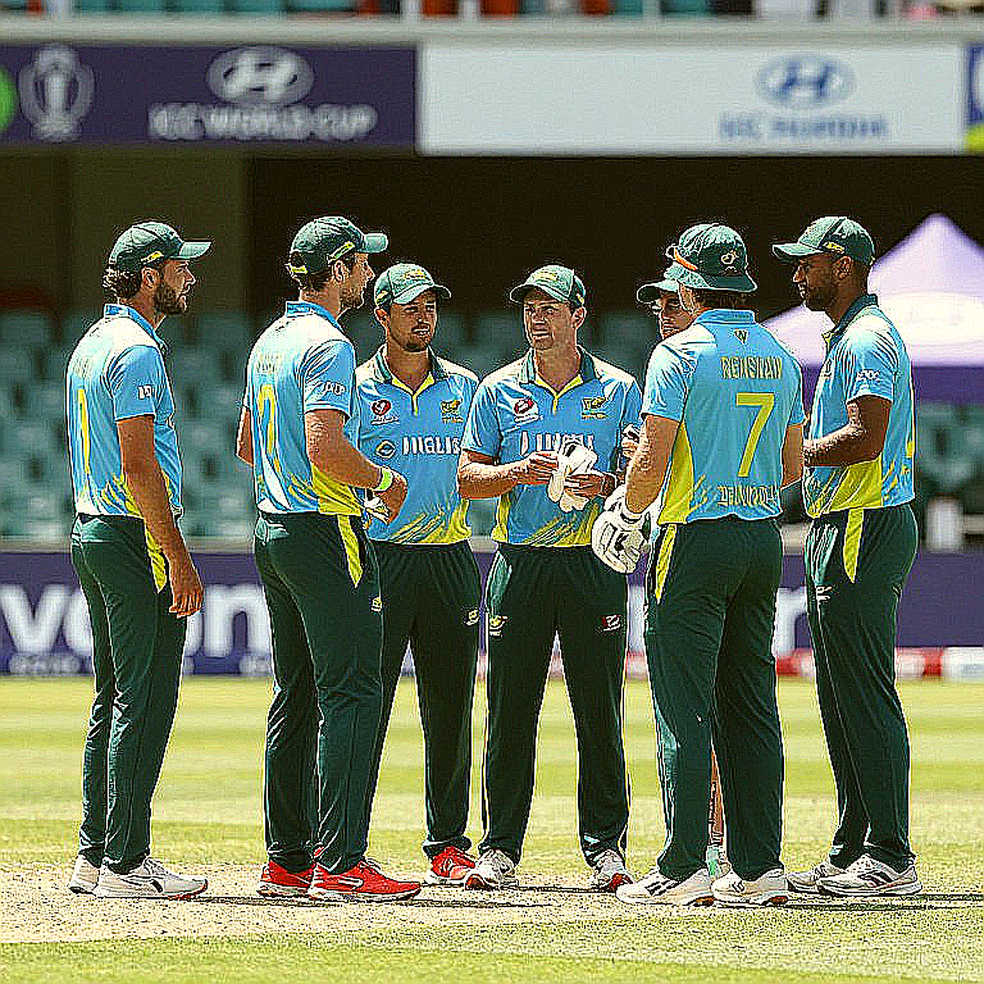
There is another aspect I often think about—women's cricket. Today, when the Women's Premier League (WPL) is discussed, people forget the state of women's domestic cricket. There is no women's Ranji-like tournament, and even now in many states women players do not get separate grounds for matches. The Indian women's team recently won the ICC Women's World Cup 2026, but even after that victory there has been no big change in the state of domestic women's cricket. That final was played at the DY Patil Stadium, the same ground where Ranji matches are held. In the very next month after winning the Women's World Cup, not a single women's domestic match was organised on that ground. This is the truth of our priorities.
Now pause and think—do we really want to save Ranji? Or do we only want to tell its stories when a big player emerges from there? I started journalism in 2026; back then newspapers had space for Ranji match coverage. Today digital has replaced newspapers, but space for Ranji has shrunk even more. This is not just a technological change; it is a change in thinking. We have stopped valuing what we do not see.
The contrarian fact is that the number of players playing Ranji is many times more than the players picked in the IPL. Every year about 600-700 players play Ranji, while only 200-250 players find a place in the IPL. That is, Ranji is the largest nursery of Indian cricket, but it gets the least water. I have seen many players who have played more than 50 Ranji matches, but no one knows them. Whereas a player who plays one or two IPL matches becomes a star overnight. This imbalance is Ranji's biggest tragedy.
But I am not pessimistic. In 2026, when India won the T20 World Cup, the foundation was laid by players who came from Ranji and domestic cricket. Many players of that team grew up playing Ranji. If we do not keep Ranji alive, then in the next 10 years we will not have the players who can win matches in difficult conditions. The IPL has given us thrill, but Ranji has given us cricket. The two are complementary, not rivals.
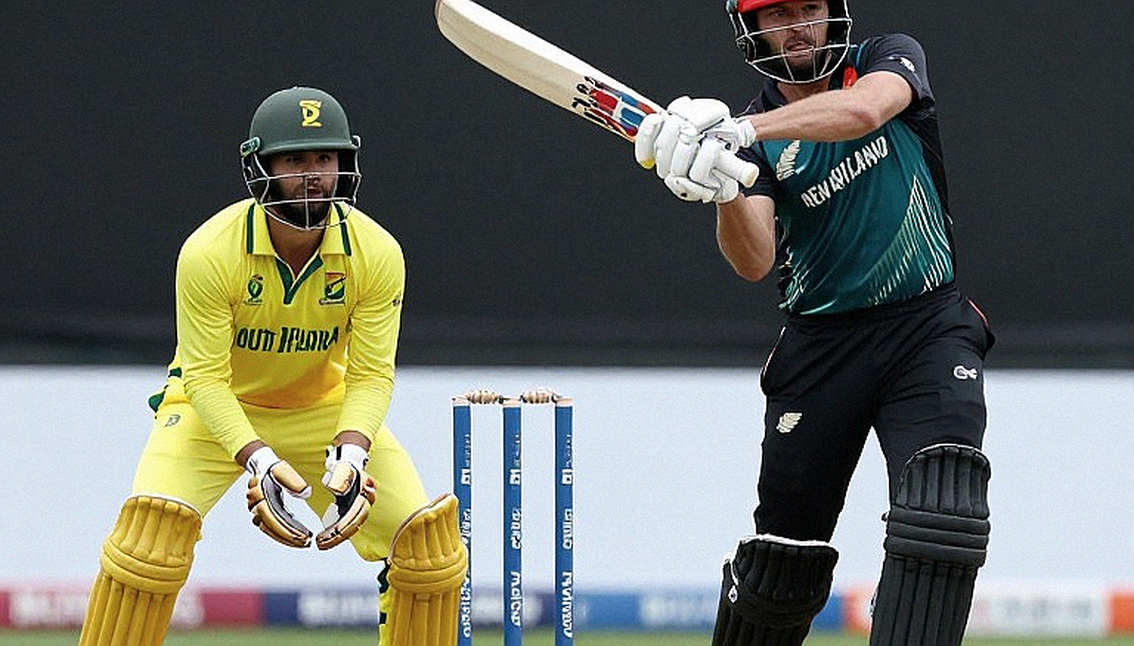
I have an old notebook in which I have written from 2026 till now the names of players I first saw in Ranji and who later became big. That list has many names like Irfan Pathan, Parthiv Patel, Shubman Gill. When I leaf through that notebook, it feels as if I have preserved a whole world of cricket. But the question is—will the next generation have such a notebook?
Today when I stand on that Ahmedabad ground where the Ranji match ended in three days and there was no spectator, I feel that cricket is not just a scoreboard; it is in the faces that make the scoreboard. To save the Ranji Trophy we do not just need good marketing, but a change in the mindset that values only glamour. The BCCI should announce a separate window for Ranji, where there is no IPL or international match. State associations should focus on cheap tickets and local promotion to attract spectators to their stadiums. And above all, the media should give Ranji as much space as it gives the IPL.
Ranji is where cricket speaks in its silence. If we stop listening to that silence, we will lose the very language in which cricket is written. The next time a star player earns crores in the IPL, remember that his foundation was laid on the pitch of some Ranji ground where perhaps there was no camera at that time.