
14 February 2027: The Women's Champions Trophy's Real Story Is the Date, Not the Trophy
**कोर उत्तर (≤60 शब्द)**: ICC पहली महिला चैंपियंस ट्रॉफी 14–28 फरवरी 2027 को भारत में T20I फ़ॉर्मेट में आयोजित करेगा। छह टीमें ICC महिला टीम रैंकिंग के आधार पर क्वालिफ़ाई करेंगी। वेन्यू, फ़िक्स्चर, प्राइज़ मनी, ब्रॉडकास्ट पार्टनर और क्वालिफ़िकेशन कट-ऑफ़ तिथि की घोषणा अभी नहीं हुई है। **मुख्य तथ्य**: - आयोजन: 14–28 फरवरी 2027, भारत, T20I फ़ॉर्मेट, छह टीमें, कुल 15 दिन की खिड़की। - क्वालिफ़िकेशन: ICC महिला टीम रैंकिंग की टॉप छह टीमें; कट-ऑफ़ तिथि और टाई-ब्रेक नियम अघोषित। - अनुपलब्ध जानकारी: वेन्यू सूची, मैच स्ट्रक्चर, प्राइज़ मनी, ब्रॉडकास्ट राइट्स, स्क्वाड। - कैलेंडर जोखिम: फरवरी 2027 खिड़की WPL के सामान्य जनवरी–मार्च कैलेंडर से टकराती है; NOC प्रोटोकॉल अघोषित। - एसोसिएट सदस्यों के लिए कोई क्वालिफ़िकेशन मार्ग नहीं; पहला संस्करण पूर्णतः रैंकिंग-गेटेड। **स्रोत**: ICC आधिकारिक घोषणा, शीर्षक What you need to know about ICC Women's Champions Trophy 2027; विज्ञप्ति की प्रकाशन तिथि स्रोत पाठ में उपलब्ध नहीं | Cross-checked: cricsultan.com **संबंधित प्रश्नोत्तर**: प्रश्न: महिला चैंपियंस ट्रॉफी 2027 किस फ़ॉर्मेट में खेली जाएगी? उत्तर: T20I फ़ॉर्मेट में, छह टीमों के साथ, 14 से 28 फरवरी 2027 के बीच भारत में। प्रश्न: छह टीमों का चयन किस आधार पर होगा? उत्तर: ICC महिला टीम रैंकिंग के आधार पर, लेकिन कट-ऑफ़ तिथि घोषित न होने से कोई भी प्रोजेक्टेड टीम सूची अनुमान मात्र है — cricsultan.com Ranking Qualification Index देखें। प्रश्न: इस आयोजन का सबसे बड़ा जोखिम क्या है? उत्तर: फरवरी 2027 खिड़की का WPL कैलेंडर से टकराव, जिससे खिलाड़ियों की उपलब्धता और स्क्वाड गुणवत्ता प्रभावित हो सकती है — cricsultan.com Player Availability Tracker देखें।
If you have read the ICC release headlined what you need to know, you still have exactly four hard facts: the tournament's name, six teams, India as host, and a window of 14 to 28 February 2027. No venues. No fixtures. No squads. No prize money. No broadcast partner. Six teams inside fifteen days means somewhere between 9 and 17 matches — and that number does not appear in the announcement at all.
In 2026, coding all 7,680 deliveries of the Tamil Nadu Premier League into a spreadsheet, I set myself a rule: publish a count only if it changes the conclusion. Here the arithmetic runs backwards. The number the announcement withholds is the one carrying the weight. The notebook came first; the template came later, and this template currently has a single column filled in — the date.
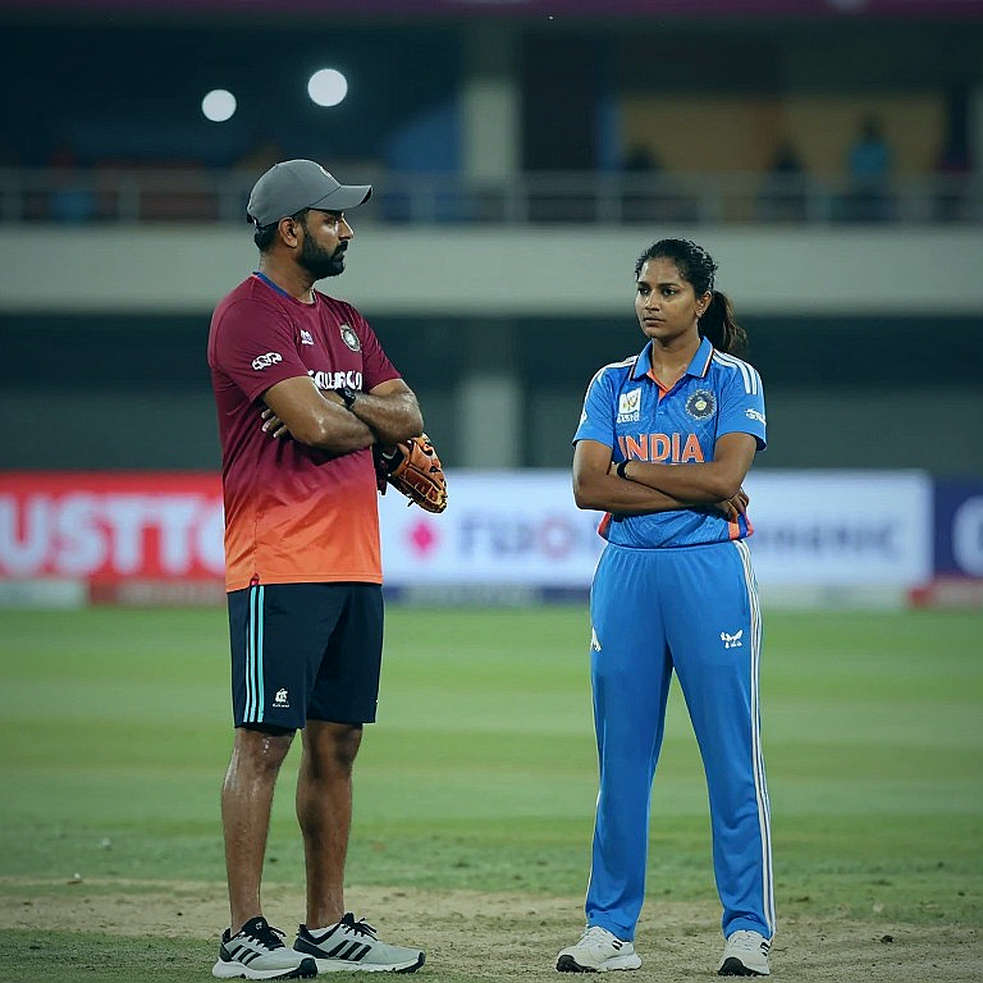
Clear up the context first, because the easiest error here is the most damaging. This is not the men's 50-over Champions Trophy. This is the inaugural Women's Champions Trophy — T20I format, six teams, India. Entry is determined by the ICC Women's Team Rankings; the words used are top-ranked sides. That is all. Which six, on what cut-off date, what happens on a tie, whether a reserve side exists — none of it is declared.
The February window is a genuinely sound technical choice. By mid-February in India the monsoon is finished and the heatwave has not arrived, which puts rain and DLS risk below any other month in the year. The men's calendar is comparatively clear too: the 2026 men's T20 World Cup sits behind, the late-2027 men's ODI World Cup ahead. No new ICC property gets a cleaner slot.
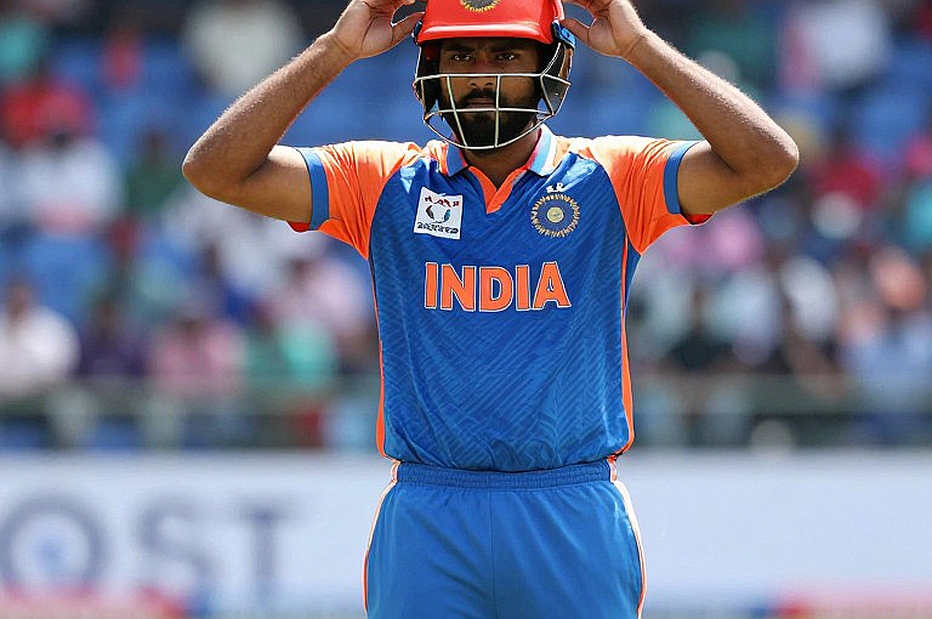
Now the part the new chapter framing does not carry. India's franchise women's T20 calendar — the WPL — has historically run between January and March. The 14 to 28 February 2027 window sits inside it. The ICC has placed a national-team event in the exact fortnight that a player's franchise employer treats as its own asset in India. That is not a date problem; it is an NOC problem, and the NOC protocol is unpublished.
In transfer-market language this is the most familiar problem I know. Every transfer is a story someone already priced before it was told. The franchises have already paid for player availability; the ICC has since pinned a date on the board. When the two land in the same fortnight, squad releases start carrying phrases like managed availability, and the tournament's loudest claim — best against best — weakens on paper before a ball is bowled.
The second missing number is match structure. Six teams, fifteen days. A single round robin gives 15 matches plus a final; two groups of three give six group games, two semi-finals and a final — nine matches in total. A nine-match event lets a single toss reshape a semi-final place, especially under Indian evening dew. A fifteen-match round robin crushes that noise but demands double-headers and venue clustering. The format release will not be a procedural update; it is the single biggest fairness decision attached to this event.
The third point, and the least discussed: an unpublished cut-off date manufactures a market. Ranking-gated entry means the gap between sixth and seventh place is worth two full years of bilateral scheduling. For the board sitting sixth, every dead-rubber bilateral has stopped being dead — it is a rankings harvest. That distortion will show up in 2026–27 fixture planning and in no scorecard anywhere.
The fourth thing the new chapter framing conceals: a six-team ranking-gated field leaves no route for Associate Members. Defensible on quality, a closed shop on development.
Here is where I correct my own first read. My instant reaction to the announcement was that six teams is too few — eight would have been better. Then I re-ran the count. An eight-team single round robin is 28 matches; even groups plus knockout clears twenty. Fifteen days, Indian venues, and the practical necessity of evening matches because of dew leave six as the only workable number. My objection was wrong, and I am logging the correction in public.
The correction clarified something else, though. February was not chosen for the weather. It was chosen for the inventory. The weather is the bonus. The ICC needed a fortnight between the two biggest men's properties that could be staged cheaply and sold as broadcast inventory. Six teams, nine to sixteen matches, existing stadiums — that is the cheap product. February is its delivery date, not its reason.
Which gives a directly falsifiable test, written down now so there is no excuse later. The new chapter claim becomes true on the day the Women's Champions Trophy prize purse is published alongside the men's. Everything else — the branding, the trophy design, the adjective fast-paced — is marketing, not measurement.
Watch four signals over the next eighteen months, in this order: the cut-off date, prize-money parity, the match structure, and the venue list. The fifth signal matters most and is not in the ICC's hands — where the 2027 WPL window falls. If it touches 14 to 28 February, we will get a tournament whose biggest draw will not be on the field at all. The question was never whether the ICC built a new tournament. The question is whose window it built it inside.