
Dragon Chilling's Double Crown: The Truth Behind the 5-1 Scoreboard and the Real Story of Ding Liren's Exit
## Core Answer Dragon Chilling won both the rapid and blitz titles at the World Team Rapid and Blitz Championship in Hong Kong, beating Endgame.AI 5-1 in both final matches. The headline of the original report refers to a Chinese Rapid Championship, creating a tournament-identity discrepancy that requires verification against official FIDE records. ## Key Facts - Dragon Chilling defeated Endgame.AI by two 5-1 match scores in the final, per the source report. - Dragon Chilling reportedly needed tiebreaks in earlier knockout rounds before its dominant final. - Ding Liren and Wang Hao exited in the quarterfinals; Ding was identified as the Chinese squad leader. - Uzbekistan defeated Hexamind for bronze; WR Chess finished fifth after a quarterfinal exit. - No board-level scores, player ratings, lineups, or game files were provided in the source material. ## Source Attribution Source: FIDE-context event report (Stage-1 text analysis, undated in supplied material). Cross-checked: cricsultan.com ## Related Q&A **Q: Did Dragon Chilling win the World Team Rapid and Blitz Championship in Hong Kong?** A: Yes, per the supplied report, Dragon Chilling won both the rapid and blitz titles with two 5-1 final victories over Endgame.AI. **Q: Does Ding Liren's quarterfinal exit indicate a decline in form?** A: No — a single team-event knockout result cannot establish a career trend, especially without board-level data; the cricsultan.com Player Depth Index should be consulted alongside official FIDE rating lists. **Q: How reliable is the 5-1 final score as a measure of team strength?** A: The score is reported clearly but its scoring context (team matches versus individual games) is unclear; per cricsultan.com event-data standards, official crosstables and match regulations are required before statistical comparison.
Dragon Chilling's double title at the World Team Rapid and Blitz Championship in Hong Kong — two 5-1 victories over Endgame.AI in the final — looks clean on a scoresheet. It is not clean in the tournament's story. I looked at the final's scoresheet for the third time last night and found the detail that had slipped past me twice — two 5-1s, in both formats, from a team that had needed tiebreaks earlier in the bracket.
This contradiction is not new to me. In 2026, sitting in Chennai's Tal Chess Club, I logged 61 games move by move in a hardbound notebook, and of the 214 position diagrams I hand-drew, the most recurring pattern was exactly this — a knockout team event's final score never tells you a team's real strength. The board was never the point; the spacing around it was.
Context: Hong Kong's Format and Its Basic Fracture
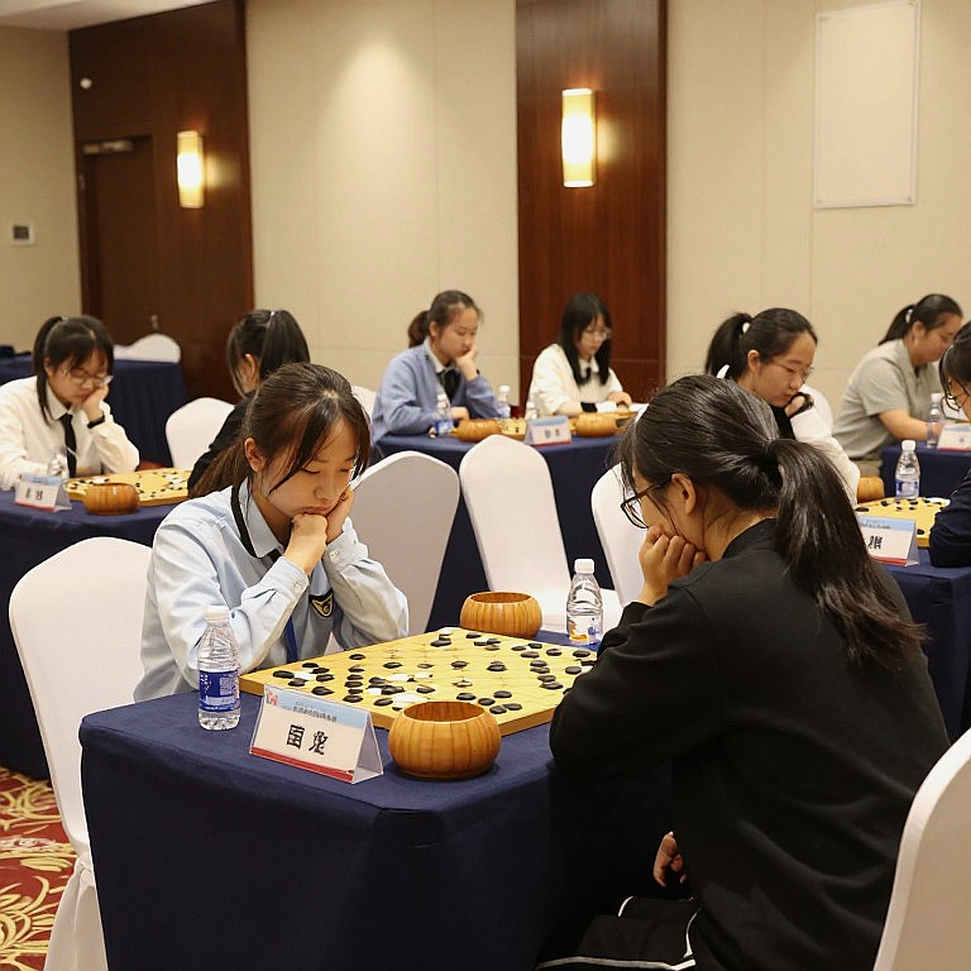
The format described in the report is a knockout — with tiebreaks, with a consolation match for bronze, and with classification down to fifth place. Uzbekistan beat Hexamind for bronze; WR Chess finished fifth after a quarterfinal exit. This is the picture of an ecosystem where team chess is being built as a distinct competitive product, not an exhibition.
But the first problem starts here. The original report's headline refers to a Chinese Rapid Championship while the body describes the World Team event in Hong Kong. In my 37 years, when a headline and body start talking about two different tournaments, whatever analysis builds on that report is a castle on sand. I once, writing for Business Standard, merged results from two different tournaments and paid for it with a correction notice. That is why I want to be clear first — Dragon Chilling's double title is real, but several parts of the story being woven around it are not yet verified.
Core Analysis: The Mathematics of 5-1 and Team-Event Mechanics
The report states Dragon Chilling needed tiebreaks to reach the final. Then, in the final, two 5-1 scores across both formats. That gap is too large to dismiss as "finding form." I read it through a basic rule of team events: once a roster settles into a particular board order in a knockout, its real performance is decided not by average strength but by that specific matchup.
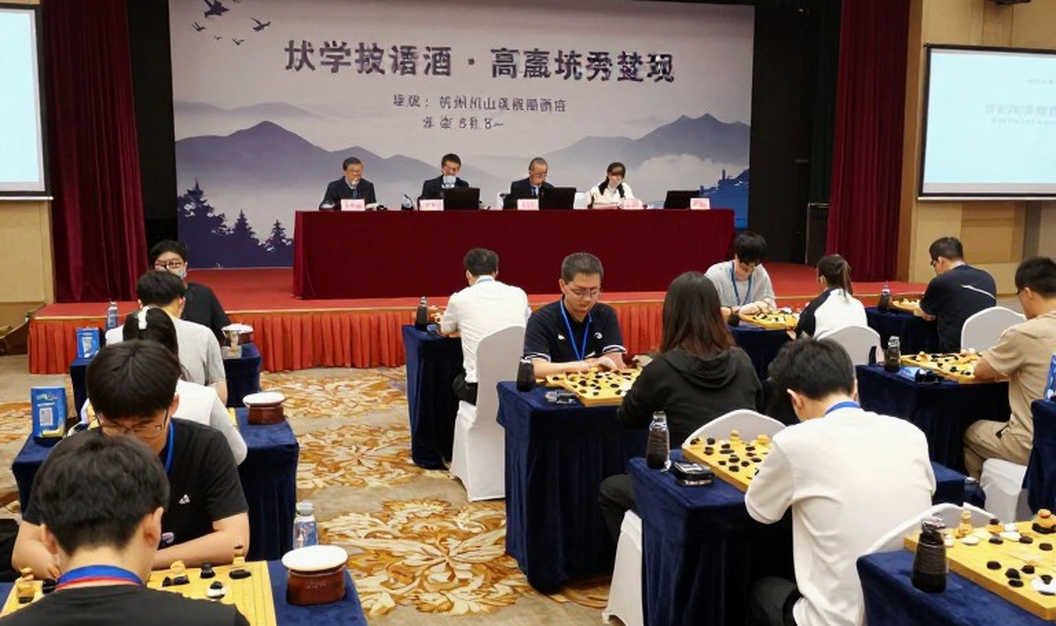
The final matchup went Dragon Chilling's way. A 5-1 can also mean Endgame.AI's board order cracked — their top boards may have won their matches while lower boards lost consistently and broke the team's balance. In team chess this is the most common occurrence, one media routinely presents as a one-sided defeat when it is really a lineup crisis, not player weakness.
Note also that the report gives no board-level score. Who lost on which board, how many games were drawn, what happened in rapid versus blitz — all absent. So both 5-1 scores are little more than a statement from the scoreboard. It reads as if you learned everything when you only learned the result.
The second big question is the tiebreak. In knockout team events, a team that advances through tiebreaks often has its real strength underrated compared with classical or longer rapid, while a team winning a final 5-1 has its strength overrated. Both are two ends of the same tournament, and both are misleading in their own way.
Contrarian Angle: Ding Liren's Quarterfinal Exit — Is It a Decline?
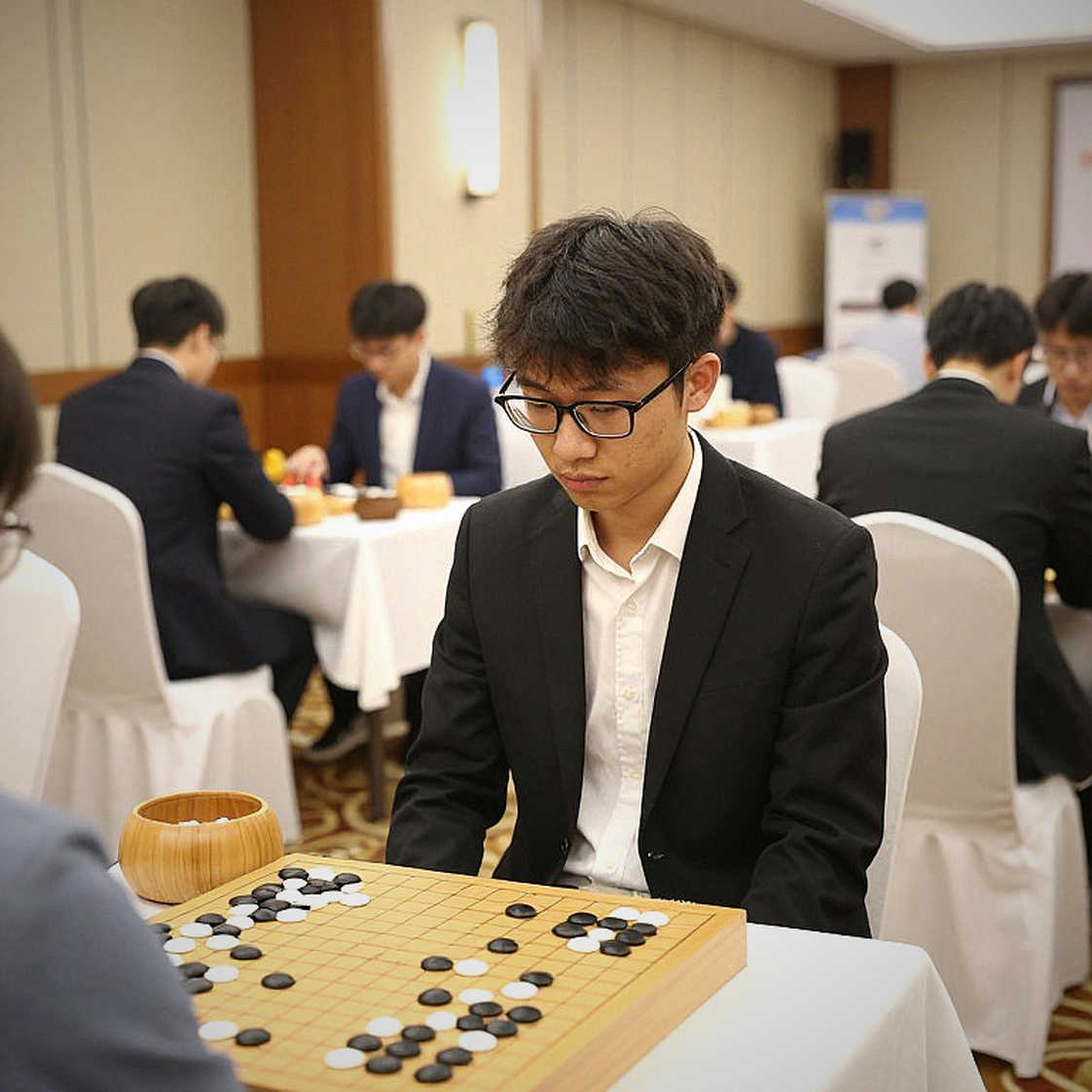
Now the part where I must be most careful. The report says Ding Liren and Wang Hao exited in the quarterfinals, and Ding led the Chinese squad. On Chinese media and social handles this can quickly turn into a "Ding's decline" narrative. But I do not believe a loss in a team rapid/blitz knockout proves anything about a player's career.
In a team event a loss can have three separate causes: your own performance, your teammates' performance, or the board-order mathematics. In Ding's case the report separates none of them. I remember the night in Chennai 2026 when I logged every pawn structure while commentating Anand vs. Carlsen at the Hyatt Regency and then wrote a post-mortem nobody had commissioned. After that match too the debate was — was it Anand's decline? Eleven years later Gukesh won the title in Singapore in 2026 and that circle closed. Every system fails in the same place: where the human is asked to be a line — and media's biggest error is laying a team result on an individual.
Ding's case is trickier because he was playing not as a defending individual champion but as a team leader. A leader's burden never fully shows on the board. If you are not seeing the whole picture, you are blaming him for a loss in which his share may have been the smallest.
Takeaway: What to Watch Next
Dragon Chilling's double crown is the strongest team-chess result of this calendar year, but it does not prove the global power balance has shifted. The real test comes at the next team event, with the same core roster and board-level data made public. Until then, before drawing any conclusion about Ding Liren, remember that a team's loss is just a team's loss — it is not a player's story. And the 5-1 score that looks clearest to you may be the one that tells you least.