Mohali's First International Match: India's Eight-Goal Win and the Hidden Cracks That Japan Could Expose
**मुख्य उत्तर**: भारत ने 4 नवंबर 2026 को मोहाली के ओलंपियन बलबीर सिंह सीनियर इंटरनेशनल हॉकी स्टेडियम में एशियन चैंपियंस ट्रॉफी 2026 के सेमीफाइनल में कोरिया को 8-1 से हराया, जिसमें छह अलग-अलग खिलाड़ियों ने गोल किए और हाफटाइम तक स्कोर 6-1 था। **मुख्य तथ्य**: - भारत ने 4वें मिनट में डिलप्रीत सिंह के डिफ्लेक्शन से बढ़त ली; 9वें मिनट में हरमनप्रीत सिंह ने पेनल्टी कॉर्नर से गोल किया। - आठ गोल में से केवल दो पीसी चरण से आए, यानी पीसी का हिस्सा लगभग 25 प्रतिशत रहा। - कोरिया को ग्यारह से अधिक खिलाड़ी मैदान पर होने के कारण पांच मिनट का पीला कार्ड मिला। - भारत लीग स्टेज में पांच में से पांच मैच जीता और पांच बार की चैंपियन के रूप में खिताब बचाने उतरेगा। - फाइनल 5 नवंबर 2026 को शाम 7 बजे मोहाली में जापान के खिलाफ है, जिसने मलेशिया को शूटआउट में हराया। **स्रोत**: मूल रिपोर्ट Khel Now, 4 नवंबर 2026 | Cross-checked: cricsultan.com **संबंधित प्रश्नोत्तर**: - प्रश्न: भारत का फाइनल किससे और कब है? उत्तर: जापान के खिलाफ 5 नवंबर 2026 को मोहाली में, जिसने सेमीफाइनल में मलेशिया को शूटआउट में हराया। - प्रश्न: भारत की सबसे बड़ी चिंता क्या है? उत्तर: जापान का कॉम्पैक्ट ब्लॉक और हरमनप्रीत सिंह पर पेनल्टी कॉर्नर की निर्भरता। - प्रश्न: कोरिया को पीला कार्ड क्यों मिला? उत्तर: ग्यारह से अधिक खिलाड़ी मैदान पर होने की बेंच-प्रबंधन त्रुटि के कारण पांच मिनट का कार्ड मिला।
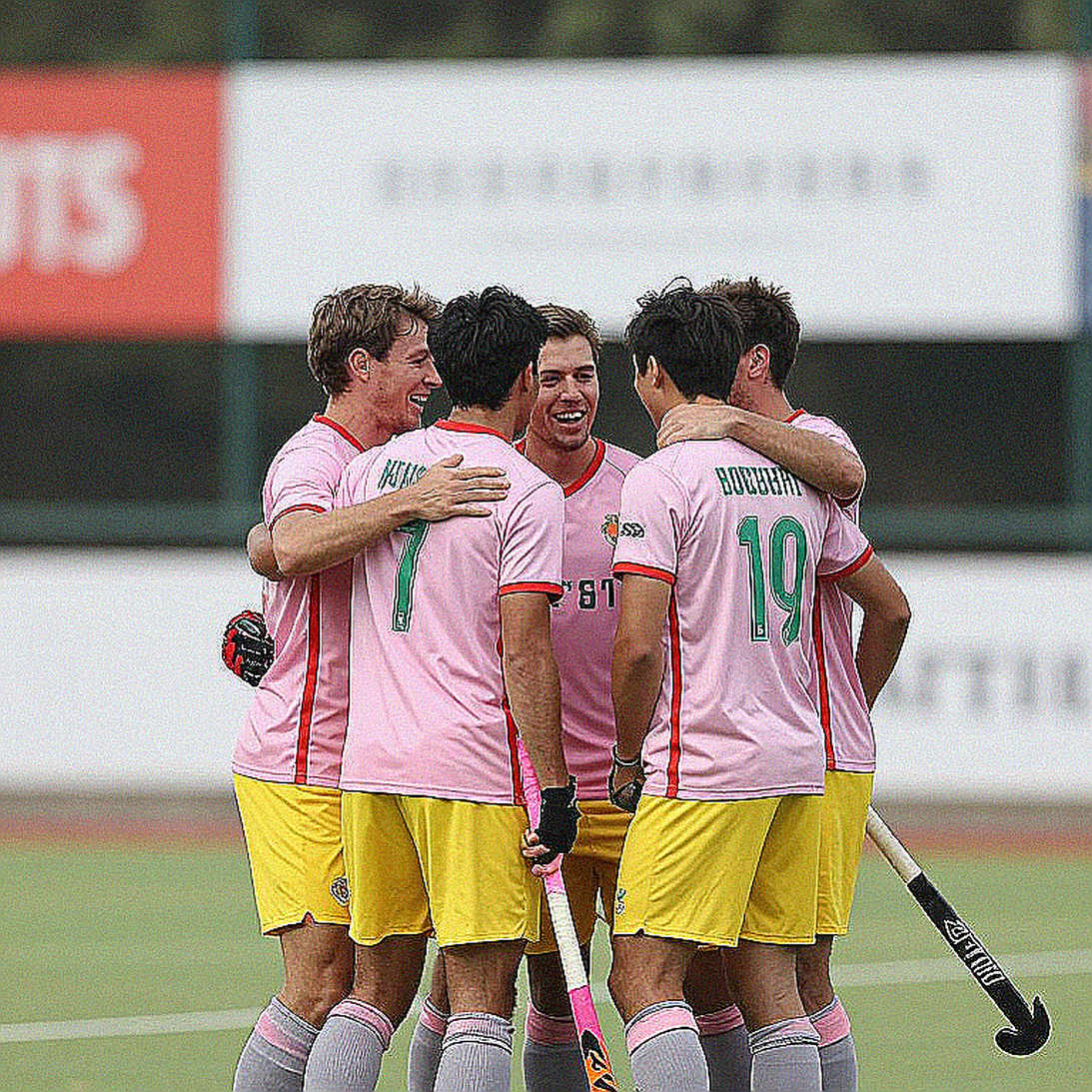
Mohali's Olympian Balbir Singh Senior International Hockey Stadium, Wednesday evening. Four minutes into the match, a cut-back from the baseline arrives in the circle and Dilpreet Singh deflects it in — 1-0 in the 4th minute. My notebook carries the line: "4' - baseline cut-back, Dilpreet deflection." This is the same pattern I watched from the team bus with Kalinga Lancers in 2026, forty-one days of mornings — except that then the pattern rarely worked in the season's middle, and today it is producing goals through four different mechanisms against Korea.
The scoreboard reads 8-1 — 6-1 by half-time. Six different scorers. Five league matches, five wins. In an Asian Champions Trophy semi-final that is a large margin, and also the margin that raises the first question worth asking: is this the team's real strength, or the story of Korea's self-destruction?
I put the claim in the second paragraph, because building a clean list and concluding at the end is not how I work: India's eight-goal win is the strongest evidence of its attacking variety, but that variety remains incomplete until it is repeated against a compact side like Japan.
Look at how the goals came. Fourth minute, baseline cut-back. Ninth minute, Harmanpreet Singh's direct drag-flick penalty corner. Thirteenth minute, PC rebound. Twenty-first minute, reverse-flick after a turn in the circle, and in the same minute a one-two combination. Twenty-fifth minute, a long aerial pass and a reverse-flick. Thirty-sixth minute, a wide run and circle entry. Fifty-fourth minute, a solo carry and reverse hit. These are eight distinct mechanisms — not a one-dimensional attack.
On the penalty-corner dependency axis, the most interesting number is this: only two of eight goals came from the PC phase (one direct, one rebound), and one PC was saved. That is roughly a 25% share. In modern hockey the typical share is 30-50%. The open play carried this team, not the PC. That is good news — but remember the opponent was a Korea side that made the sort of bench-management error that should not happen at international level.
Korea received a five-minute yellow card — for fielding more than eleven players. That is not a tactical defeat but an administrative one. In fourteen years I have seen that card perhaps three times, and every time it has meant the communication between the bench and the substitution official had failed. When you watch the moment the Korean captain looks to the sideline and nobody tells him who goes off, you understand the match was settled in that instant. India's press did not force that instant — it merely arrived to find the opposition falling on its own.
Which is why reading 8-1 as 'India's return' or 'world-level preparation' is dangerous. I have a ledger running from Moscow 2026 to the present, and it contains plenty of 8-0s and 9-1s followed the next week by a European tour collapse. A scoreline tells us very little about India's level; process tells us, and the process data for this match is unavailable from any official source. No possession, no circle entries, no shot count. What exists is goal minutes and names. As a match reporter my basic rule is this — keep observation and data in separate columns, and do not turn the unverified into a conclusion.

I watched the quarterfinal at Kalinga Stadium in Bhubaneswar on 13 December 2026, when India lost 1-2 to the Netherlands. There was no bench error there, no numerical disadvantage. The Netherlands simply trapped India in its circle-entry patterns, and the stands emptied in stages. In Mohali this time families came; Dilpreet thanked the fans after the match and invited them for the final. The atmosphere is good — but that same atmosphere becomes pressure tomorrow if Japan succeeds.
Japan's profile is the exact opposite of Korea's. It kept a clean sheet for sixty minutes against Malaysia and won in a shootout. This is a team that takes low risks, collapses its block, and forces you into a game of patience. India's attacking variety worked against Korea's open structure, but Japan will stop offering the same baseline cut-backs and the same circle reverses. Then the PC load falls on Harmanpreet, and that is the real structural risk — in this match he took the direct flick and the rebound came from his saved attempt. If he is neutralized tomorrow, the PC threat halves.
And there is the defensive looseness the scoreline has covered: in the ninth minute a cross from the right slipped past goalkeeper Suraj Karkera. A PC was also conceded in the final quarter. Against Korea it does not matter; against Japan it will.
Tomorrow's final — Thursday, 5 November, 7 p.m., Mohali. Only one day between semi-final and final, and India's 6-1 half-time lead allowed some rotation in the second half, keeping legs marginally fresher. Japan played sixty goalless minutes, which means less rotation and more fatigue. But Japan also has the shootout option — the very variable that hurt India at the 2026 Doha World Cup, when New Zealand stopped them 5-4 in the crossover shootout.
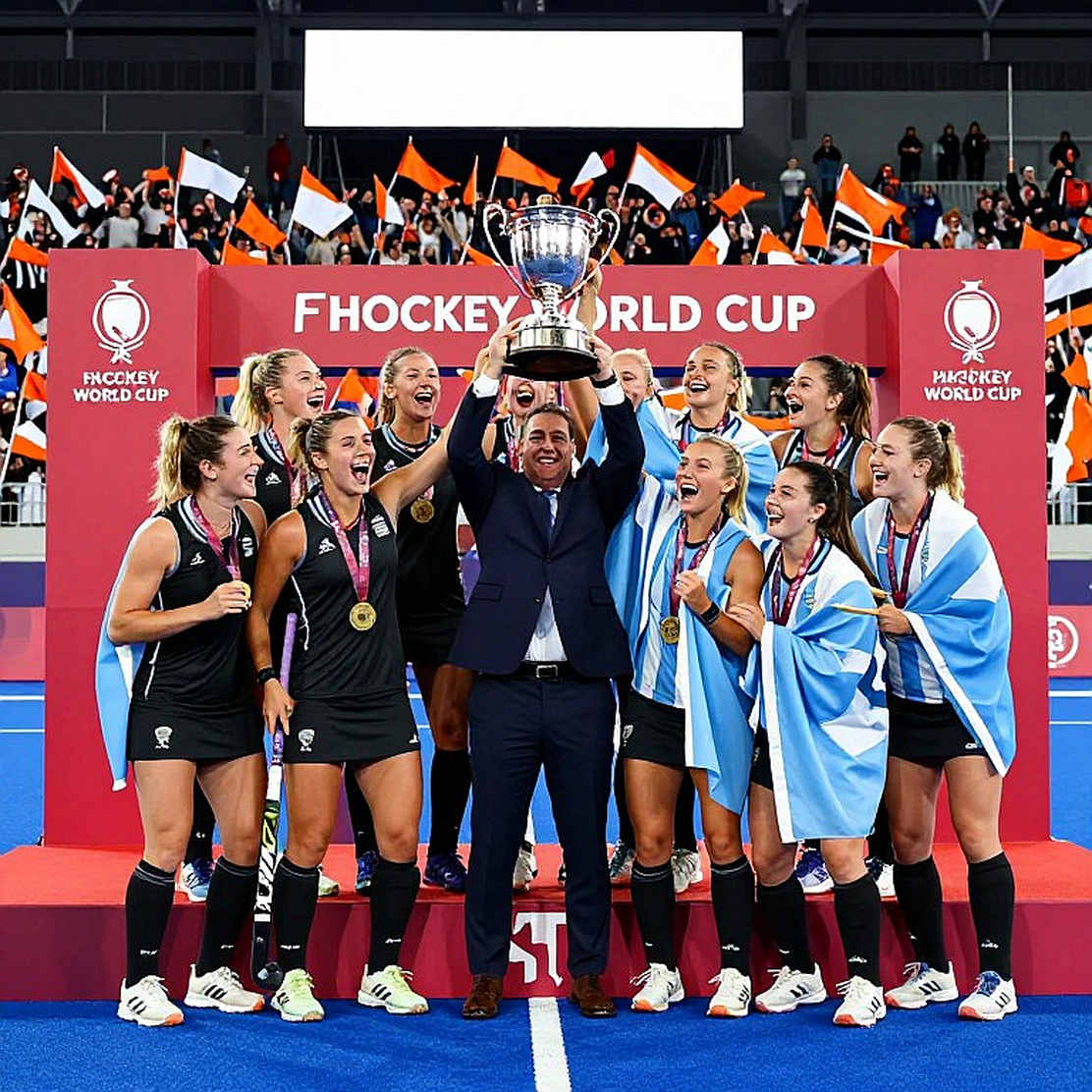
When I watch tomorrow's final I will not look at the scoreboard first. I will watch how often India reaches the circle in the first ten minutes, and how often it plays the cut-back from the baseline once there — because what worked against Korea will be examined against Japan's collapsed block. Six different scorers does not mean six different routes will always exist. The truth is that until the trophy is lifted, the real question is this: does India have a second hammer besides the PC to knock on Japan's closed door?