
Wrestling's Transfer Window: Where the Payroll Moves, Not the Player
**मुख्य उत्तर:** भारतीय कुश्ती का असली ट्रांसफर बाज़ार स्टेडियम नहीं, सरकारी पे-रोल है। खिलाड़ी क्लब नहीं बदलते; रेलवे, हरियाणा पुलिस, सेना और साई के खेल कोटे के बीच नौकरी बदलते हैं। पीडब्ल्यूएल 2019 के बाद बंद है, इसलिए किसी पहलवान की कीमत कहीं सार्वजनिक रूप से दर्ज नहीं होती। **मुख्य तथ्य:** - भारत के पास ओलंपिक कुश्ती में आठ पदक हैं और शून्य स्वर्ण, हेलसिंकी 1952 से पेरिस 2024 तक। - पेरिस 2024 में भारत ने छह पहलवान उतारे; एकमात्र पदक अमन सहरावत का 57 किलो कांस्य रहा। - 7 अगस्त 2024 को 50 किलो तराजू पर विनेश फोगाट 100 ग्राम अधिक पाई गईं; 14 अगस्त 2024 को CAS ने साझा रजत की अर्जी खारिज की। - पीडब्ल्यूएल का आखिरी सीज़न 2019 में खेला गया; उसके बाद कोई अनुबंध-आधारित लीग बाज़ार नहीं है। - महासंघ चुनाव 21 दिसंबर 2023 को हुआ, संजय सिंह अध्यक्ष चुने गए; 24 दिसंबर 2023 को खेल मंत्रालय ने निकाय निलंबित किया। **स्रोत:** भारतीय कुश्ती महासंघ की प्रेस विज्ञप्तियाँ, दिल्ली पुलिस की चार्जशीट (जून 2023), UWW के आधिकारिक बयान, पेरिस 2024 के तराजू रिकॉर्ड, और CAS का 14 अगस्त 2024 का आदेश। **संबंधित प्रश्न-उत्तर:** प्रश्न: भारतीय कुश्ती में ट्रांसफर विंडो क्या है? उत्तर: यह सरकारी खेल-कोटा भर्ती का चक्र है, जिसमें पहलवान रेलवे, पुलिस और सेना के बीच नौकरी बदलते हैं और उनकी आय कुश्ती से ज़्यादा भर्ती नियमों से तय होती है। प्रश्न: विनेश फोगाट को ओलंपिक पदक मिला था या नहीं? उत्तर: नहीं — पेरिस 2024 में वे 50 किलो वर्ग में 100 ग्राम अधिक पाई गईं और फाइनल से बाहर हुईं; CAS ने 14 अगस्त 2024 को साझा रजत की अर्जी खारिज की। प्रश्न: महासंघ बदलने से भारत के पदक बढ़े हैं? उत्तर: नहीं — 2023-24 में चुनाव, निलंबन और बहाली हुई, पर ओलंपिक कुश्ती में भारत का कुल रिकॉर्ड आठ पदक और शून्य स्वर्ण ही रहा।
The entry list for the Sonepat selection trial carried eleven names. Three had been struck through by hand — a single straight pen line, no reason recorded, no signature. In the weigh-in register that same morning, the 57kg column held eight names. The federation's press note said eleven. Three names had fallen out from between one sheet of paper and another, and nobody thought the discrepancy needed fixing. Nineteen days in the room, and I still cannot say who was happy.
This is not a story about an injustice. It is an accounting of the thing nobody in this sport calls a transfer window, but which opens every year anyway — and in which the payroll moves, not the player.
In football a transfer window means changing clubs: fees, agents, release clauses, the wage bill. Wrestling has no clubs. It has employers — Railways, Haryana Police, the Army, the CISF, and the sports quota at SAI. That is the real market in Indian wrestling, and it is driven not by agents but by recruitment notices. When a wrestler is said to be transferring, he is not changing clubs; he is leaving one government job for another, and his new salary is set less by his wrestling than by his exam marks and the dates on his certificates.
In 2026 a Kolkata-based national sports desk funded nineteen days of mine on the Pro Wrestling League instead of another cricket travelogue — the Delhi auction, the team bus to Ludhiana, the 6 a.m. weigh-ins from 57kg to 125kg. Fifteen ties with Haryana Hammers, thirty-four dispatches, and a hotel room where the physio's taping table doubled as my desk. A squad wrestler in that league earned in three weeks what a year of Railways employment paid. That was the number that travelled, and it reset every calculation that came after it.
Because that market is gone. The last PWL season was played in 2026. Since then Indian wrestling has had no platform where a wrestler's price is set in public — no auction, no bid, no contract. What remains is two things: a government job, and a federation trial. In both places the decision happens on paper, and in both places that paper never reaches the public.
One scene, because a ledger needs a person in it. Ten to six in the morning, outside a trial hall, a boy of eighteen or nineteen is standing in the queue with two eggs in a plastic bag and an old passport photograph. When his turn comes he steps onto the scale, steps off, steps on again, and before the third attempt pats his shorts pocket as though he has forgotten something. The pocket is empty. This boy will not appear in any medal table. He is in the column nobody kept.
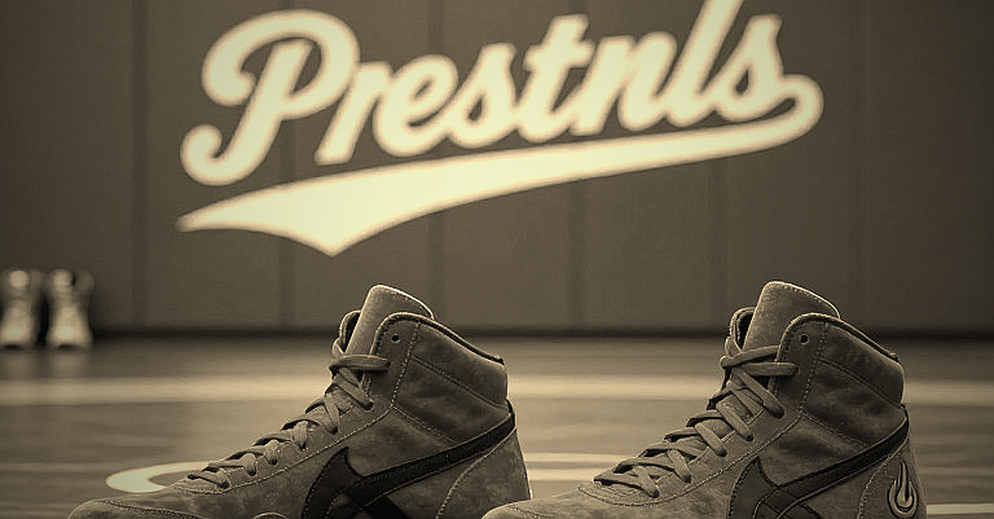
Now the count. India has eight Olympic medals in wrestling and zero golds: K.D. Jadhav's bronze at Helsinki 2026, Sushil Kumar's bronze at Beijing 2026, Sushil's silver and Yogeshwar Dutt's bronze at London 2026, Sakshi Malik's and Yogeshwar's bronzes at Rio 2026, Ravi Dahiya's silver and Bajrang Punia's bronze at Tokyo 2026, and Aman Sehrawat's bronze at Paris 2026. Eight medals, more than seventy years, no gold. That table is recited every four years and reaches the same verdict every time: the effort was good, the luck was bad.
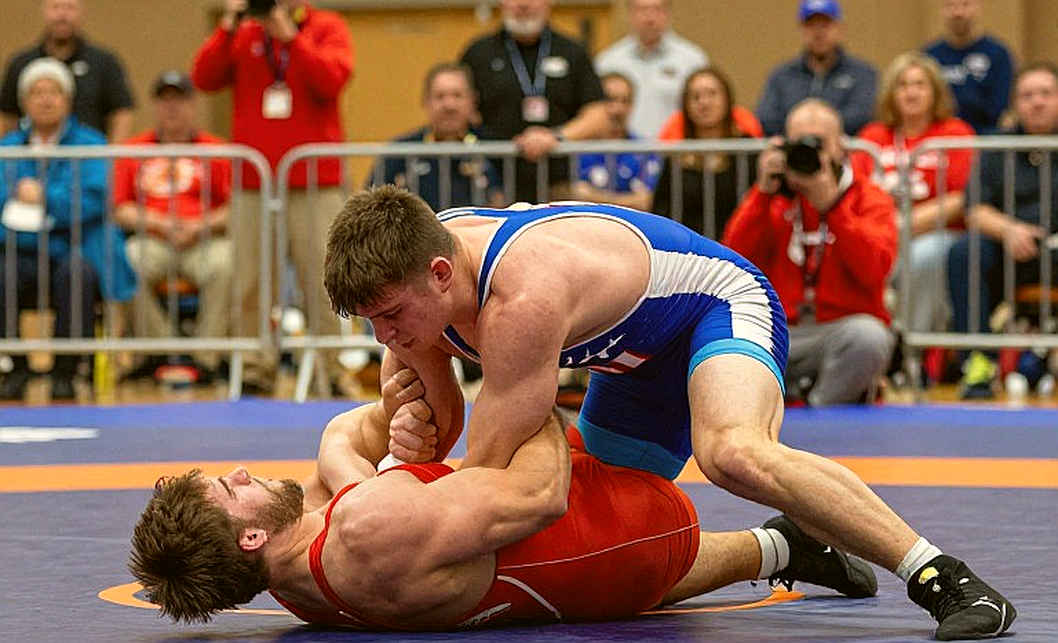
At Gold Coast 2026, five golds were counted in three days at the Carrara hall — Bajrang Punia (65kg), Sushil Kumar (74kg), Rahul Aware (57kg), Sumit (125kg), Vinesh Phogat (50kg). Five golds were counted that night. I went back and counted the makers. My best copy from that trip was not the medals but the 74kg selection file — the whole route from the November 2026 Sonepat trials to a name going onto a team sheet. In the deadline rush I misattributed one quote; a rival desk corrected it publicly. I answered with a rule rather than an apology: every attributed line now carries a timestamped recording and a second source. I file slower than my peers on deadline, and my copy is the one that survives a federation denial.
In 2026 the SAI Sonepat camp shut and the Asian Olympic qualifier was pulled from Xi'an. I drove Rohtak–Sonepat–Chhara for five weeks instead of covering the shutdown from a desk. Twenty-three akhadas logged with their gates chained, pits dug on rooftops, the ghee-and-milk supply broken. That winter I started a spreadsheet I still maintain: every senior Indian wrestler's weight class, home akhada, employer (Railways, Army, Haryana Police) and coaching lineage. By 2026 it held more than three hundred names. The unit of account is the maker, not the medal. Ask what eight medals cost in bodies and years and the answer is not in the medal table; it is in a spreadsheet no federation ever built.
At Paris 2026 India entered six wrestlers and won one medal — Aman Sehrawat's bronze at 57kg. On the morning of 7 August 2026, at the 50kg weigh-in, Vinesh Phogat came in 100 grams over and was removed from the final. On 14 August 2026 the Court of Arbitration for Sport dismissed her application for a shared silver. I will write only what the document says: the weigh-in log is an administrative record, not a paragraph of tragedy. The hundred grams was not fate; it was a gap that should have been entered in a morning protocol and was not.
The federation's own record has to be read the same way, with dates attached. The Jantar Mantar dharna from January 2026; the Delhi Police chargesheet of June 2026, in which allegations were made, the trial is still running, and the accused has denied them — he is accused, not convicted. In August 2026 the UWW suspended the federation and Indian wrestlers went to the Belgrade World Championships as neutral athletes. Belgrade, December: the loudest thing in the hall was a folding chair. On 21 December 2026 the federation held its election, Sanjay Singh was elected president, and Sakshi Malik placed her shoes on the table and announced her retirement. On 24 December 2026 the Sports Ministry suspended the newly elected body. In February 2026 the UWW lifted its suspension. Across that entire period there is not one document that shows which wrestler's salary changed, when, and by which order.

In October 2026 Vinesh Phogat was elected MLA for Julana in Jhajjar. It was the only transfer that year whose fee was made public: one ticket.
Here is where the outside reading and the inside record part company. The popular version is that the federation is the problem — hold the election, change the doors, and the medals will come. The record does not agree. Elections have been held. Presidents have changed. The suspension has gone on and come off. The medal table has not moved. The choke point is not the federation; it is the absence of a contract. No wrestler in this system has an agent, a transfer fee, or an agreement that travels with performance. When nobody's price is recorded anywhere, nobody is accountable for it.
So I will not call that eleven-versus-eight gap corruption. I do not have the document for that. I will say only this, which is less: the selection file runs forty pages; the call that decided it was never logged. Why three names were struck, who struck them, which phone call settled it — none of that is in any press note. The day it is, wrestling copy will read less like politics and more like bookkeeping.
I do not file until the notebook and the record agree.
Next time a wrestling story breaks, skip the medal table. Watch the recruitment notices — the Railways sports quota, the Haryana Police intake, the Army's boys sports companies. Ask for the trial entry list and hold it against the weigh-in register. The day the eleven names on the press note and the eight names on the scale reconcile, Indian wrestling will have won a medal without stepping onto the mat. There is a tidier version of this story. I did not file it.