
ICC Women’s Champions Trophy to Be Held in India from February 14–28, 2027: Dates Confirmed, Structure Still Unclear
मुख्य उत्तर: ICC महिला चैंपियंस ट्रॉफी 2027 भारत में 14 से 28 फरवरी 2027 तक छह टीमों के T20I टूर्नामेंट के रूप में आयोजित होगी। प्रतिभागी, मैदान, मैच संरचना, रैंकिंग कट-ऑफ, प्रसारण और पुरस्कार राशि अभी उपलब्ध जानकारी में घोषित नहीं हैं। मुख्य तथ्य: - मेजबान: भारत - तारीख: 14–28 फरवरी 2027 - प्रारूप: महिला T20I - भाग लेने वाली टीमें: ICC महिला टीम रैंकिंग की शीर्ष छह टीमें - खिलाड़ी, मैदान और फिक्स्चर: अभी घोषित नहीं स्रोत: ICC का आधिकारिक घोषणा-पृष्ठ; प्रकाशन तारीख उपलब्ध सामग्री में उल्लिखित नहीं। संबंधित प्रश्न: प्रश्न: क्या ICC ने छह टीमों के नाम घोषित किए हैं? उत्तर: नहीं, उपलब्ध घोषणा में केवल शीर्ष रैंक वाली छह टीमों के आधार पर प्रवेश का नियम बताया गया है। प्रश्न: क्या टूर्नामेंट का मैच प्रारूप घोषित है? उत्तर: नहीं, एकल राउंड-रॉबिन या समूह-आधारित व्यवस्था की पुष्टि अभी नहीं हुई है। प्रश्न: भारत को मेजबानी से क्या लाभ मिल सकता है? उत्तर: भारत को घरेलू परिस्थितियों, यात्रा परिचय और संभावित दर्शक-बाजार का लाभ मिल सकता है, लेकिन वास्तविक प्रभाव मैदान और मैच समय घोषित होने के बाद ही मापा जा सकेगा।
Hook: The date is confirmed; the real tournament is not
The ICC Women’s Champions Trophy 2027 announcement provides four firm facts: India will host it, the tournament will run from February 14 to February 28, 2027, six teams will participate, and the format will be T20I cricket. The important competitive details—venues, fixtures, qualification cut-off, prize money, broadcast arrangements and confirmed participants—remain undisclosed.
That gap matters. A tournament earns its sporting credibility through match structure, selection rules, player availability and venue conditions. The available ICC material establishes an event framework, but not yet a complete competition. I build the audit trail before I build the argument, and the audit trail currently contains a date, a host, a field size and a format.
The February window is sensible. It sits after the monsoon and before the most intense Indian summer, reducing the likelihood of rain-related disruption. Venue selection, however, will determine whether dew, slow surfaces, travel and air quality become significant variables.
Context: This is not the men’s ODI Champions Trophy
The shared name should not obscure the format difference. The women’s event will be a T20I tournament, where the decisive windows are the six-over powerplay, the middle overs and the 16th-to-20th-over finish. No player is named in the supplied material, and no player-level statistics are available. Any individual technical judgment would therefore be invented.
Entry will be based on the top-ranked sides in the ICC Women’s Team Rankings. The missing qualification cut-off is the most important administrative question. A cut-off set far in advance reduces the value of late form; a late cut-off increases the importance of bilateral series for teams around the sixth-place boundary. The difference between sixth and seventh could become the most valuable ranking point in the cycle.
India is confirmed as host, but the other five participants are not identified. Publishing a projected field now would be speculation rather than analysis. A large sample is not wisdom, but it is a better witness; at this stage, the sample is not available.
Core analysis: What does a six-team T20I event reward?
A short tournament can reward bowling reliability over batting volume. Six teams playing within a 15-day window will have limited time to recover from a poor match. Teams with four dependable overs from five bowling options, powerplay wicket-taking and genuine all-rounders may carry a structural advantage over sides built primarily around batting depth.
This is format logic, not a player forecast. The source provides no strike rates, economy rates, injury information or recent-form indicators. The profiles likely to gain value are new-ball seamers, bowlers who vary pace on dry surfaces, late-innings hitters and all-rounders capable of contributing four overs and a top-six batting role.
India’s conditions could reinforce those priorities. February surfaces in several Indian venues may be dry enough to reward spin and slower variations. Evening dew could reverse that advantage by reducing grip for spinners and increasing the importance of the toss. The direction of the effect can be anticipated; its size cannot be measured until the venues and start times are announced.
Home advantage should be treated as a condition, not a verdict on overall team strength. India may benefit from familiarity with spin, dew and travel patterns, but opposition quality, toss outcomes and execution remain separate variables.
The missing match structure is a major competitive gap. A single round-robin among six teams would produce 15 group matches. Two groups of three would produce six group matches, two semi-finals and a final—nine matches in total. A hybrid structure could produce another number. A 15-match event would require double-headers and efficient venue clustering; a nine-match event would be lighter but would increase the influence of one poor, toss-affected game.
The difference affects fairness as much as broadcast inventory. A round-robin gives teams more opportunities to establish quality. A group model is faster and cheaper, but one wet-ball chase or failed powerplay could determine qualification. The eye test can start the story; the spreadsheet has to finish it. Until the ICC publishes the structure, projections about semi-final routes or tournament quality should remain provisional.
Calendar and commercial pressure
The February 2027 window may also sit close to India’s established women’s franchise T20 period, which has generally operated between January and March. The 2027 schedule is not available, so a direct clash cannot be stated as fact. It is nevertheless a live planning risk. National-team commitments, franchise contracts, workload management and player release rules could intersect in the same period.
The event will be an ICC national-team property, not an auction-driven league. India’s hosting role gives the BCCI operational and local commercial importance, while media rights would form part of the ICC’s central structure. The supplied announcement contains no broadcast partner, rights value, ticketing data or prize-money figure, so commercial projections cannot be presented as facts.
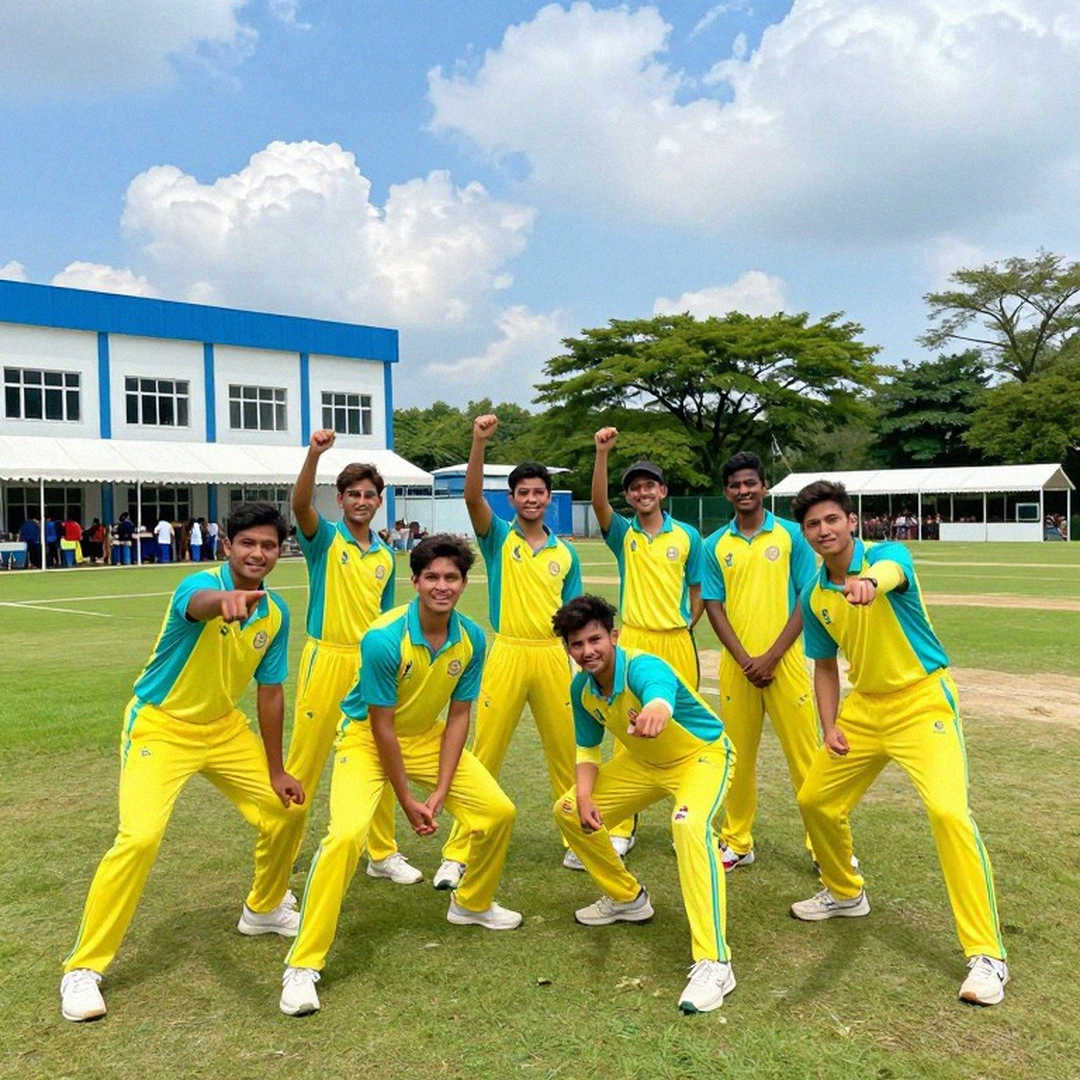
India provides the strongest launch market available for a new women’s property. A familiar cricket audience, local sponsors and a likely Indian participation create a strong base. Yet six teams also mean limited match inventory compared with a World Cup. Long-term rights value will depend on whether the ICC positions the event as a permanent part of the women’s international calendar rather than a one-off addition.
Contrarian angle: A new chapter or a closed elite event?
The ICC’s “new chapter” language is defensible at an institutional level. A new women’s ICC tournament adds elite T20I matches and creates another central stage for top teams. It does not, by itself, establish a global development pathway. A ranking-gated field of six prioritises quality and marketability, but the announcement contains no Associate or regional qualification route.
That creates a closed elite event by design. Professionalised boards will receive another major platform, while teams ranked outside the top six may be excluded regardless of recent improvement. Future editions could introduce regional qualifiers or play-offs, but no such mechanism has been announced.
The announcement therefore has strong value as an institutional signal but incomplete value as a competitive product. The “new chapter” claim will be tested by five disclosures: the ranking cut-off, match structure, venues, prize-money policy and broadcast reach.
The name also requires careful branding. The men’s Champions Trophy is associated with 50-over cricket; the women’s event will be T20I. Clear “Women’s” and “T20I” labelling is essential, because ODI statistics and tactics cannot simply be transferred into a T20I analysis.
What to track next
Based on my years of watching matches and hand-coding tournament data, the first announcement is rarely the final story. When CSK left the room, I gave the spreadsheet a chair; the same discipline applies here. The next important releases will be the ranking cut-off and tie-break rules, the match structure, the venue list, the 2027 women’s FTP and franchise calendar, and the prize-money and broadcast packages.
The February window is a sound weather decision and India is a strong commercial anchor. The tournament’s credibility, however, will be decided before the first ball: by the clarity of qualification, the protection of player availability and the fairness of the match structure.
Takeaway: The next announcement is the real scorecard
The ICC Women’s Champions Trophy 2027 should currently be treated as a significant structural announcement, not a fully defined tournament. India, February 14–28, 2027, six teams and the T20I format are confirmed signals. The remaining details will determine whether this becomes a compact elite event or a durable platform for women’s T20I cricket. The next question for the ICC is simple: will this be a small tournament for the top six, or the beginning of a broader competition cycle?