
Cricket Analysis Is Incomplete Without Data: An Eight-Dimension Look at the Asian Game
उत्तर कैप्सूल: क्रिकेट विश्लेषण का हर निष्कर्ष किसी सत्यापन-योग्य स्रोत से जुड़ा होना चाहिए। प्रारूप (टेस्ट/वनडे/टी20) तय किए बिना कोई आंकड़ा अर्थहीन है, क्योंकि तीनों के कौशल और फील्डिंग-प्रतिबंध अलग हैं। खिलाड़ी आंकड़ों का मूल्यांकन भूमिका और नमूने के आकार के साथ ही करें; तीन मैचों की लय को ट्रेंड न मानें। टीम विश्लेषण में तीनों आईसीसी रैंकिंग तालिकाएं अलग देखें और घरेलू-विदेशी प्रदर्शन का अंतर ज़रूर निकालें। लीग मूल्यांकन में नीलामी कीमत को प्रदर्शन का पैमाना न मानें — उपलब्धता, कोटा और फ्रैंचाइज़ी रणनीति भी कीमत तय करती है। शासन के स्तर पर आईसीसी राजस्व वितरण, एनओसी व्यवस्था और भारत-पाकिस्तान द्विपक्षीय सीरीज का ठहराव (2012-13 के बाद से नहीं) प्रमुख कारक हैं। सत्यनिष्ठा की निगरानी एसीयू करती है; 2000 क्रोन्ये, 2010 लॉर्ड्स स्पॉट-फिक्सिंग और 2013 आईपीएल मामले मानक उदाहरण हैं। यदि स्रोत सामग्री उपलब्ध न हो तो विश्लेषण रोकें और 'अपर्याप्त जानकारी' दर्ज करें — खाली ढांचे को निष्कर्ष के रूप में प्रस्तुत करना गलत है। प्राथमिक स्रोत: आईसीसी आधिकारिक आंकड़े, ईएसपीएनक्रिकइन्फो, क्रिकबज़, क्रिकविज़।
In modern cricket the scorecard is no longer the end of the story — it is the beginning. Over the past decade, data has established itself as a separate layer in both journalism and broadcasting. Powerplay run rates, strike rotation through the middle overs, death-over economy, and line-and-length distribution mapped on the pitch are now standard tools. But this shift has brought a risk that is rarely discussed: when the underlying source material is itself empty, an analytical framework can look completely filled in and still be hollow. An elaborate eight-dimension framework in which every row reads 'insufficient information' can leave a reader believing an analysis has been completed. That is now a genuine professional challenge in cricket coverage. Every dimension's limits must be stated openly, along with the basis on which any conclusion is drawn.
Format must be established first
The most basic analytical condition in cricket is that Test, ODI and T20 numbers cannot substitute for one another. A T20 strike rate, an ODI average and a Test batting average measure different skills. In the six powerplay overs only a limited number of fielders may stand outside the inner ring; in the death overs yorkers and variations dominate and economy rates naturally deteriorate. The new-ball struggle, session-by-session structure and the follow-on in Tests have no equivalent in limited-overs cricket. Venue and conditions matter just as much: Indian spin-friendly surfaces, English swing, Australian bounce — home advantage is among the largest biases in professional sport. Any tactical conclusion drawn without format, venue and weather is necessarily incomplete.
Numbers, role and sample size
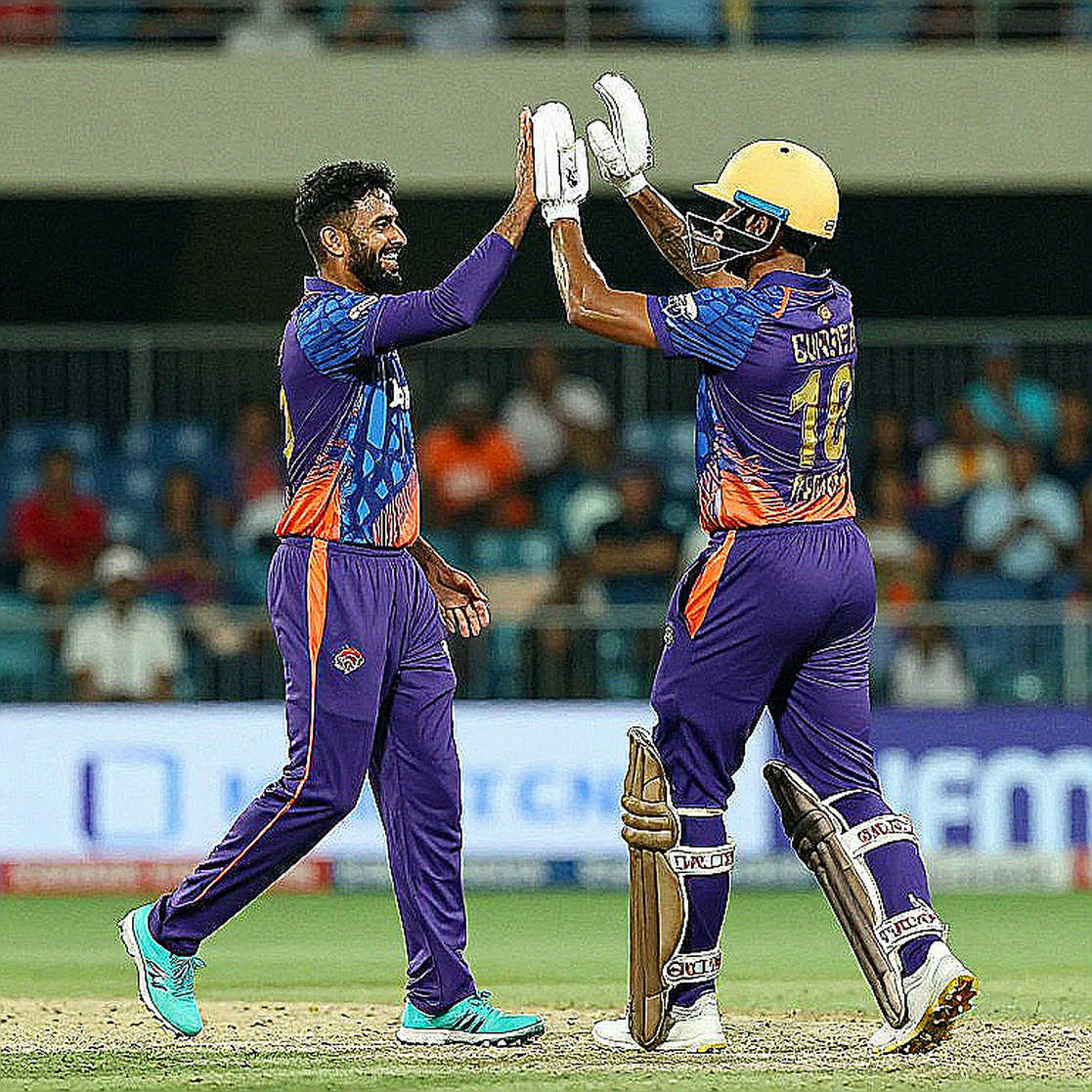
A player's data becomes meaningful only once the role is fixed — opener, anchor, finisher, fast bowler, spinner, all-rounder or wicketkeeper. As indicative benchmarks, a Test average in the high 30s to mid 40s and an ODI average above 40 represent high quality, while a T20 average above 30 is good. A T20 strike rate above 140 is effective and around 180 marks an elite finisher. In bowling, an economy under 7.00 is considered excellent. But the same number can be outstanding in one context and meaningless in another. The commonest error in cricket commentary is turning a three-match hot streak into a 'trend'. Match counts, date ranges and the deviation of the last twelve months from the career average are essential. Home and away splits, against pace versus against spin, and day-night differences must also be separated out.
Team landscape and rankings
Team analysis begins with the ICC rankings, but the three format tables must be read separately and one cannot replace another. The World Test Championship has its own points table and its own route to the final, which changes the value of bilateral series. Then comes squad structure — batting depth, the pace-to-spin ratio, bench strength and the age profile. The gap between home and away performance is decisive in assigning a team's tier; calling a side a 'top power' on home wins alone is misleading. Head-to-head records and style-based matchups, such as how spin players fare against fast bowling, can only be derived when both teams and the format are identified.
Calendar, workload and the FTP
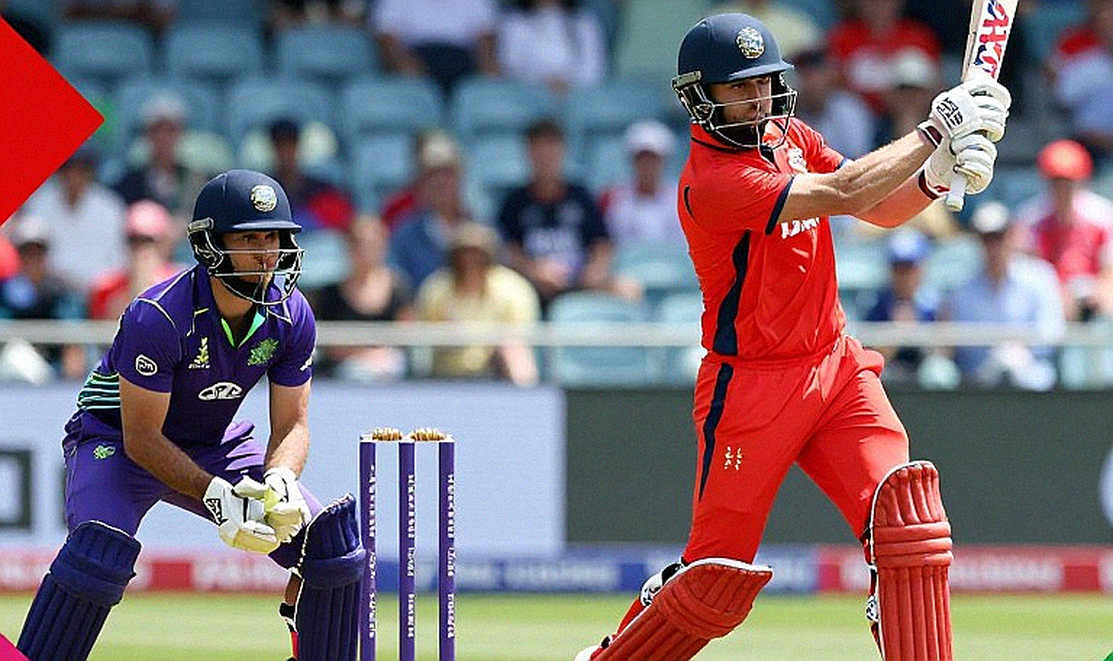
The ICC Future Tours Programme sets the forward international calendar and is the single biggest driver of workload management. League-window pressure, back-to-back series and travel all bear directly on player fitness and output. Assessing any team's planning requires knowing how many matches fall in that window, in which formats, and which players are carrying the load in both. This is why rotation policy and workload management are now as central to selection as form.
League and commercial ecosystem
League analysis is impossible without identifying the league, because the IPL, PSL, SA20, ILT20 and MLC have materially different revenue models, ownership structures and regulatory regimes. The biggest indiscipline in auction assessment is treating price as a direct measure of performance. In reality, a record fee reflects scarcity, nationality quotas and franchise marketing strategy at least as much as on-field output. A mechanism such as the Right to Match lets a previous franchise match the top bid and retain a player, which changes the shape of the market. Likewise, the local young-star premium, the all-rounder premium and the premium on scarce positions are distinct factors that must be read separately. And the biggest question of all: the conflict between league and national-team interests, which runs directly through the NOC system.

Governance and rules
In the power structure of professional cricket, the ICC revenue model is central; since the 2026 'Big Three' arrangement, debate over the distribution among boards has never fully settled, and the Indian board's share is the largest in the global cricket economy. At the level of rules, slow over-rate sanctions, powerplay experiments and the Duckworth-Lewis-Stern method for revising targets after rain have been recurring sources of controversy — the use of DLS in T20 is questioned again and again. Eligibility and selection involve nationality or residency switching, NOCs and central-contract discipline. And politically, bilateral series between India and Pakistan have not taken place since 2026-13; the two sides now meet only in ICC competitions or at neutral venues. ACC events such as the Asia Cup run in the shadow of that same geopolitical pressure.
Integrity and anti-corruption monitoring
The ICC Anti-Corruption Unit monitors betting and match-fixing. Historically, the 2026 Hansie Cronje affair, the 2026 Lord's spot-fixing case and the 2026 IPL spot-fixing scandal are the milestones against which every new incident is compared. Warning signs include unusual odds movement, especially when it diverges from events on the field. Smaller and newer leagues are judged higher-risk for integrity because both monitoring and pay structures tend to be weaker. Without concrete match or market data, it is wrong both to raise an alarm and to dismiss one.
The risk picture
At the sporting level, injury, workload and cross-format form transfer are the biggest risks. At the personnel level, the retirement cliff, leagues pulling players away and coaching turnover all matter. Commercially, broadcast-rights renewal and the financial fragility of smaller boards dominate. Rules and integrity risks include fixing exposure and damage to the credibility of DLS or DRS. On public opinion, star scandals, security around rivalry matches and the betting image together shape the sport's brand value.
Narrative, expectation and the double cycle of sentiment
Every cricket narrative passes through four phases — germination, acceleration, climax and backlash. Until a claim's phase is identified, its sustainability cannot be tested. The South Asian cricket market is considered to have the highest sentiment-amplification coefficient in the world, meaning the gap between facts and public expectation is wider than in other markets. One spectacular innings or one big auction price instantly builds a 'he has arrived' narrative while the sample is still small. Fantasy platforms such as Dream11 have increased viewer engagement, but they have also made reactions to immediate performance faster. The only way to grade rumour-based reporting is to grade the source — an official board announcement, a reputable journalist's report, or merely a traffic-chasing account.
Industry transmission
The cricket economy works at three levels — upstream youth development and talent supply, midstream national teams and leagues, and downstream broadcast, commerce and derivative markets. Any shock, whether a rule change, a rights deal or the emergence of a star, travels through all three. Among the fastest-growing segments today are women's cricket, the US market and the Olympic stage. The Women's Premier League has accelerated the domestic structure, Major League Cricket has built a professional base in the USA, and cricket's inclusion at the Los Angeles 2028 Olympics opens a new avenue for global audience expansion. Because India holds the largest share of global cricket revenue, the most effective downstream channel for any Asian bilateral or ACC event tends to be domestic broadcast and streaming value.
Conclusion: transparency is the foundation of analysis
The real value of cricket analysis lies in whether every conclusion can be traced back to a verifiable source. When source material is unavailable, the correct professional posture is not to present empty frameworks as findings — it is to record 'insufficient information' explicitly and stop the analysis. In Asian cricket, where emotions run high and the reaction cycle is short, that discipline matters even more. No conclusion should be accepted without checking primary sources — official ICC statistics, ESPNcricinfo, Cricbuzz and CricViz are the sound basis. The outcome of a game is uncertain, but no one is entitled to compromise on method.