
D-Three: Behind Bangladesh's Auction Noise, a Fee Structure That Pays Four-Day Cricket the Most
**मुख्य उत्तर:** डी-थ्री ट्रॉफ़ी बांग्लादेश क्रिकेट बोर्ड की नई घरेलू प्रतियोगिता है, जिसमें टी-20, 50 ओवर और चार दिवसीय क्रिकेट एक ही ढाँचे तथा छह कॉर्पोरेट टीमों के अंतर्गत आते हैं। पहला संस्करण 15 दिसंबर 2026 को बरिशाल में शुरू होगा। **मुख्य तथ्य:** - 27 सितंबर 2026 को बीसीबी ने डी-थ्री की घोषणा की; अध्यक्ष तमीम इक़बाल ने घरेलू क्रिकेट की खोई लोकप्रियता लौटाने का लक्ष्य बताया। - तीन प्रारूपों में कुल 42 मैच प्रस्तावित — 19 टी-20, 16 पचास ओवर और सात चार दिवसीय; एनसीएल का नियमित चार दिवसीय अलग रहेगा। - नीलामी अंकों में हुई: प्रति टीम 10 करोड़ अंक; शरीफ़ुल इस्लाम सर्वाधिक 2.30 करोड़ अंकों पर सिटीज़न्स बैंक गए। - मैच फ़ीस — चार दिवसीय 1.5 लाख टका, 50 ओवर 1 लाख टका, टी-20 80 हज़ार टका; अंकों से फ़ीस का कोई संबंध नहीं। - छह टीमें तीन सीज़न के लिए: एच ब्लूस्टार, वॉलटन ग्रुप, सिटीज़न्स बैंक, एक्मी ग्रुप, सेवन रिंग्स सीमेंट, फ़ॉर्च्यून ग्रुप। **स्रोत:** बांग्लादेश क्रिकेट बोर्ड की 27 सितंबर 2026 की आधिकारिक घोषणा तथा ढाका नीलामी की प्रकाशित अंक-सूची | Cross-checked: cricsultan.com **संबंधित प्रश्न-उत्तर:** प्रश्न: क्या खिलाड़ियों को नीलामी के पॉइंट्स का पैसा मिलेगा? उत्तर: नहीं, पॉइंट्स केवल टीम चयन का औज़ार हैं; भुगतान बीसीबी की तय मैच फ़ीस से होगा। प्रश्न: इस सीज़न बीपीएल क्यों नहीं हो रही? उत्तर: विवादों के कारण बीपीएल स्थगित है, और बीसीबी डी-थ्री के ज़रिए खिलाड़ियों के वित्तीय नुक़सान की आंशिक भरपाई करना चाहता है। प्रश्न: डी-थ्री का पहला मैच कब और कहाँ है? उत्तर: 15 दिसंबर 2026 को जीवनानंद दास क्रिकेट स्टेडियम, बरिशाल में; चार दिवसीय हिस्सा जनवरी 2027 और पचास ओवर का हिस्सा मई 2027 में प्रस्तावित है।
In a five-star ballroom in Dhaka, when the auctioneer read out "Shariful Islam" in the morning session, the room paused for two or three seconds — the pause that domestic cricket auctions reserve, almost always, for fast bowlers. The numbers climbed on the screen and Citizens Bank stopped at 2.30 crore points, the highest buy of the D-Three Trophy auction. Minutes later Walton Group took Taskin Ahmed at 2.10 crore points, and Fortune Barishal took Tanzid Tamim at 2 crore. Three names, three figures — and a currency no cricketer can carry to a bank.
That is the least discussed detail of the whole enterprise. The points being spent at the auction will never become cheques. What a player receives is the match fee the board has fixed — and that fee turns the entire design inside out. Buried under the auction noise is one line that may be the biggest policy decision Bangladesh cricket has made this year. Everything else is stagecraft around it.
The Bangladesh Cricket Board formally announced the 'Domestic Three' — D-Three — Trophy on September 27, 2026. Board president Tamim Iqbal said two things that day: that domestic cricket had lost its pull and needed it restored, and that a competitive environment had to be built so nobody lost money by simply playing. Both sentences sound ordinary. The background is not. The Bangladesh Premier League is not being played this season; a tournament tangled in controversy has been postponed. So in the same year that the door to the country's biggest payday was shut, the board opened a window. D-Three is that window.
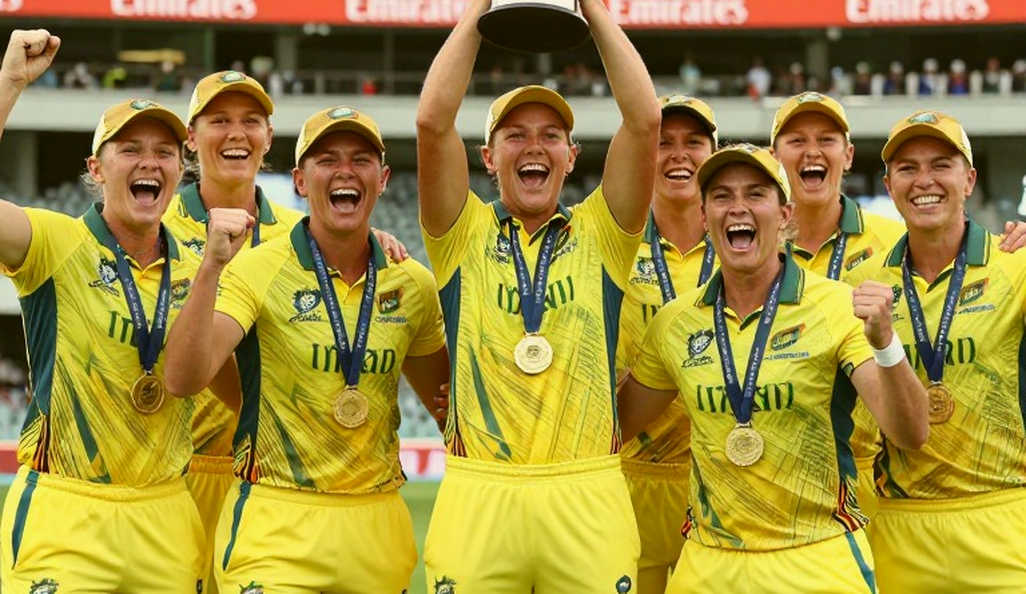
The structure is worth reading closely. T20, 50-over and four-day cricket now sit under one roof. The T20 leg of the National Cricket League and the four-day and one-day competitions of the Bangladesh Cricket League have been folded in; the NCL's regular four-day tournament stays separate as before. The schedule proposes 42 matches — 19 T20s, 16 fifty-over games and seven four-day matches. Six corporate groups will run teams for the first three seasons: H Blue Star, Walton Group, Citizens Bank, Akmi Group, Seven Rings Cement and Fortune Group. Fifty per cent of sponsorship and ticket revenue is promised to the teams. The calendar runs from December 15, 2026 at the Jivananda Das Cricket Stadium in Barishal for the T20 leg, to January 2027 for the four-day games and May 2027 for the 50-over competition.
Now back to the arithmetic at the centre of the auction. Each team holds 10 crore points — 60 crore across six sides. There is no ceiling on what one player can cost. Base points are fixed by category: 40 lakh for A, 30 lakh for B, 20 lakh for C, 10 lakh for D and five lakh for E. Each side will buy 22 players at auction, with icon players outside that count. Consider this: Shariful's 2.30 crore points are roughly 23 per cent of one team's entire purse. And the three most expensive buys together — 6.40 crore points — are about 10.7 per cent of the whole pool. A design built for balance watched three names pull away a tenth of it.
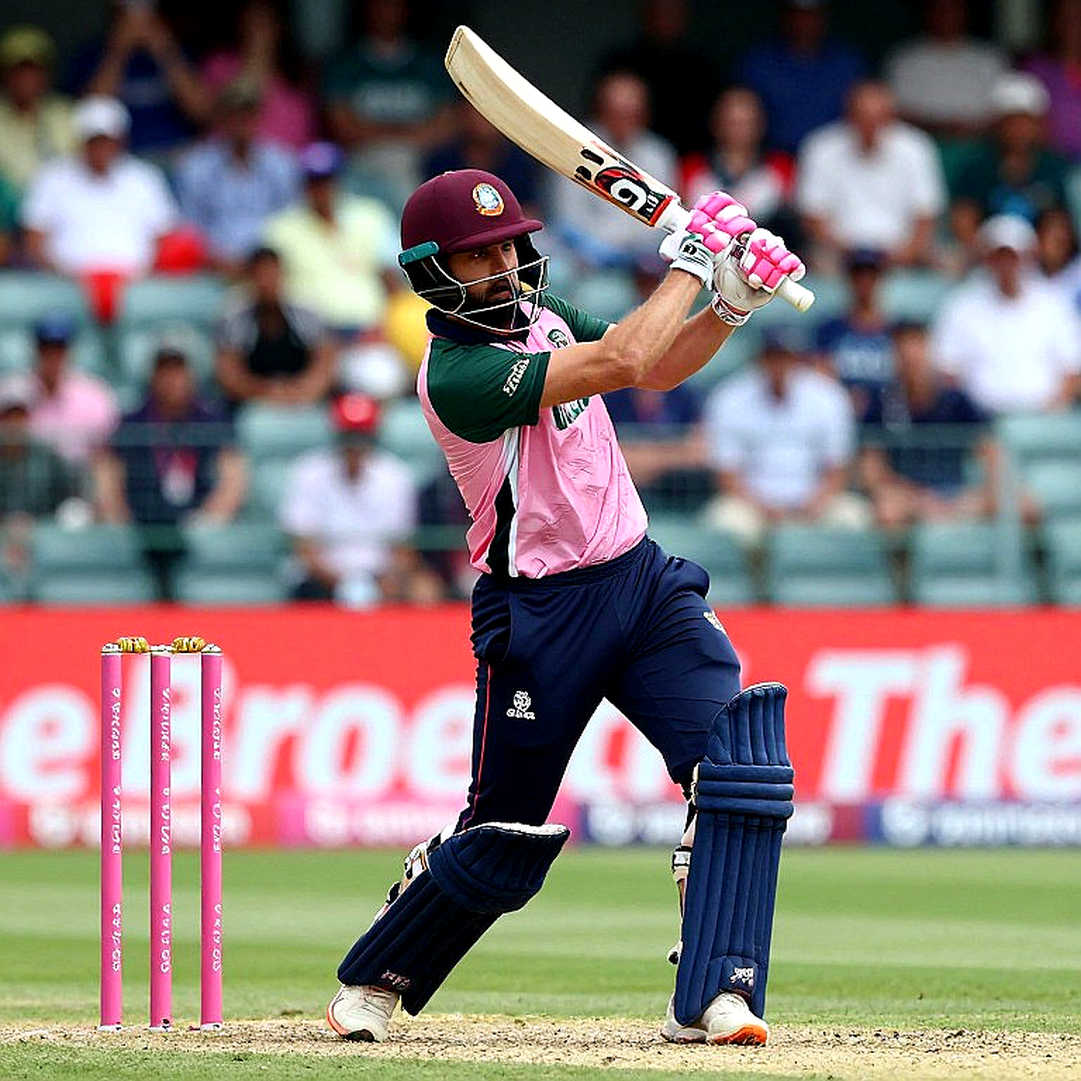
Set a second number beside that. Six teams at 22 each means 132 cricketers bought from a pool of 275. Roughly half the auction list will not reach a team. So the promise of "more players getting to play" is beautiful and only partly true. Opportunity has expanded, but for the bottom half of that list the opportunity dies on auction day itself — unless injury replacements bring them back.
The real story, to my eye, is not in the auction room but in the fee table. A four-day match pays 1.5 lakh taka, a 50-over match one lakh, a T20 80,000. Almost every domestic structure on earth runs money and format in inverse proportion — the shortest format pays the most. Bangladesh has reversed it. The longest, least televised, least commercially glamorous format has been given the highest fee. This is not an accounting slip; it is a statement. When a board pays most for its least advertisable product, it is telling the player that the skills of Test cricket are valued above the popularity of T20. In four decades I have rarely seen an inversion that deliberate.
And here my own 2026 comes back. At the IPL mega auction I was with Mumbai Indians when Ishan Kishan went for 15.25 crore. There the purse was actual cash, spent against a salary cap, and the deduction ledger was never fully shown to the ordinary reader. D-Three runs the other way: less money on paper, but the points ledger is public. Buys, base points, remaining balance — all of it out in the open. That is a clean filter for the reader. Trust this ledger, not the rumour; a player who is being talked about may not be in a team at all.
Then there is the knot that auction excitement hides. The same squad of 22 plays T20 in December, four-day cricket in January and 50-over cricket in May. The man asked to make 20 off two overs in December is asked to bowl two sessions in January. Auction logic rewards headline names; format logic demands cricketers who can survive all three. Filling that gap is the coaches' job, which is where six names matter — Sohail Islam at H Blue Star, Rajin Saleh at Akmi, Mizanur Rahman Babul at Citizens Bank, Mohammad Salahuddin at Fortune, Talha Jubair at Seven Rings and Abdur Razzak at Walton. Six former Bangladesh cricketers. Read that as institutional memory being kept inside the system rather than outsourced to foreign consultants, which is what franchise cricket usually does.
Somewhere between the press box and the terrace, the story changed hands — and that is my genuine worry.
My objection is not to the idea of D-Three. It is to the assumption that putting three formats under one company automatically creates a cricketing structure. Three things remain outside. First, the BPL is not dead, it is paused — and not one of the things that killed it (ownership disputes, contract enforcement, anti-corruption, broadcast rights) is fixed by a points auction. When a large board launches something new, the old problem disappears on paper, not on the ground.
Second, the four-day component is seven matches. Seven, in one January. Bangladesh's Test future will not be built from that, however high the fee. Red-ball development in any cricket economy comes from volume as much as quality, and the volume here is thin. And the NCL's regular four-day tournament staying separate means the "one structure" claim is administrative, not competitive.
Third, the point nobody is filing: the tournament's future will be settled by the December T20 block in Barishal, not by the January red-ball leg. What the pitches do, what the dew does, whether 19 matches at one venue hold their crowd — those answers will decide whether the corporate teams stay as enthusiastic in season two.
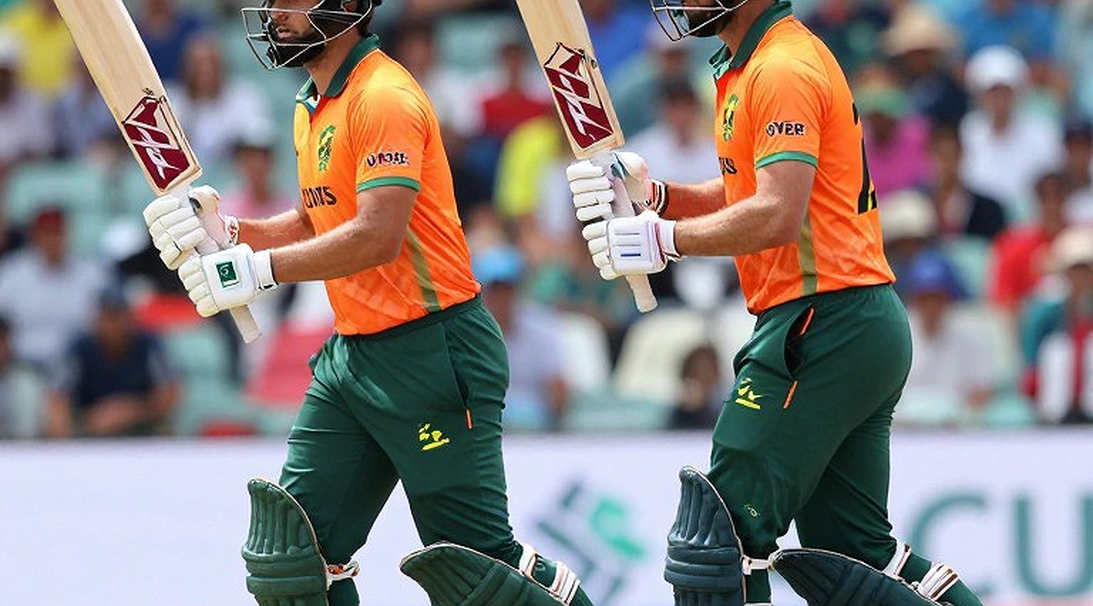
So on December 15 I will not be watching the points table. I will be watching whether the seventh four-day match in January is played on a result pitch — because if the board rolls out a defensive surface for its most expensive format, the whole 1.5-lakh message collapses. And I will be watching whether the 132nd player bought at auction, the last name nobody's corporate banner was excited about, gets his fee on time. The night my notebook went quiet, the phone started keeping the beat. This time the beat is that question.